Why You Have Puffy Eyes in the Morning: Causes, Science, and What Actually Helps

You roll out of bed, shuffle to the bathroom mirror, and stare at a face that doesn't quite look like yours yet. The eyes are swollen, heavy, and vaguely pillow-shaped. Sound familiar? If you've ever wondered why do I have puffy eyes in the morning, you're in very good company. Morning eye puffiness is one of the most common skin complaints across all age groups — and while it can feel alarming, it's almost always completely normal and driven by entirely predictable biology.
The under-eye area is one of the thinnest, most delicate regions of skin on the entire body. The tissue there is loosely structured and highly responsive to fluid changes, pressure, inflammation, and gravity. That combination means it's essentially the first place your body's overnight processes show up on your face. Understanding the causes of puffy eyes in the morning — from the mechanics of sleep to the food you ate the night before — can help you take genuinely effective steps to reduce puffiness and, more importantly, understand when it's nothing to worry about versus when it deserves medical attention.
This guide covers the full science behind morning eye puffiness, the seven most common triggers, and the evidence-based remedies that actually move the needle.
The Science Behind Morning Puffy Eyes
To understand morning eye swelling causes, it helps to start with what's actually happening in your body while you sleep. Several overlapping physiological processes converge overnight to create the perfect conditions for fluid accumulation around the eyes.
Fluid Redistribution and Gravity
During the day, gravity does a lot of quiet work for you. While you're upright — sitting, standing, walking — fluid that might otherwise pool in the face drains naturally downward through your lymphatic and venous systems. When you lie down, that gravitational assist disappears entirely. Fluid that would ordinarily drain away from the face has nowhere to go and can gradually accumulate in the loose connective tissue beneath and around the eyes over the course of seven or eight hours.
This is why morning puffiness is almost always worst immediately after waking and improves significantly within 20 to 30 minutes of being upright. The simple act of standing up and moving around reactivates the gravitational drainage your body relies on during the day.
The Lymphatic System Slows at Night
The lymphatic system is your body's waste-removal and fluid-regulation network. Unlike the cardiovascular system, it has no dedicated pump — it relies on muscle movement, breathing, and body motion to circulate lymphatic fluid. During sleep, when physical movement is dramatically reduced, lymphatic drainage slows down considerably. In the thin-skinned, loosely structured tissue around the eyes, even a modest slowdown in lymphatic flow can result in visible fluid accumulation by morning.
Lymphatic drainage is one of the reasons that gentle facial massage — which manually stimulates lymph flow — is one of the more evidence-supported ways to reduce morning puffiness quickly.
Overnight Inflammatory Activity
Sleep is also the time when your immune system does much of its repair and maintenance work. Cortisol — your primary anti-inflammatory hormone — naturally reaches its lowest point in the early hours of the morning before rising sharply just before you wake. This dip in cortisol means your body's natural inflammation suppression is at its weakest overnight, which can allow minor tissue inflammation around the eyes to be slightly more visible in the morning than at other times of day.
7 Main Causes of Morning Eye Puffiness
While the basic biology of fluid retention around eyes is universal, the severity of morning puffiness varies widely from person to person and day to day. Here are the seven most significant factors that determine how puffy you wake up.
1. Sleep Position
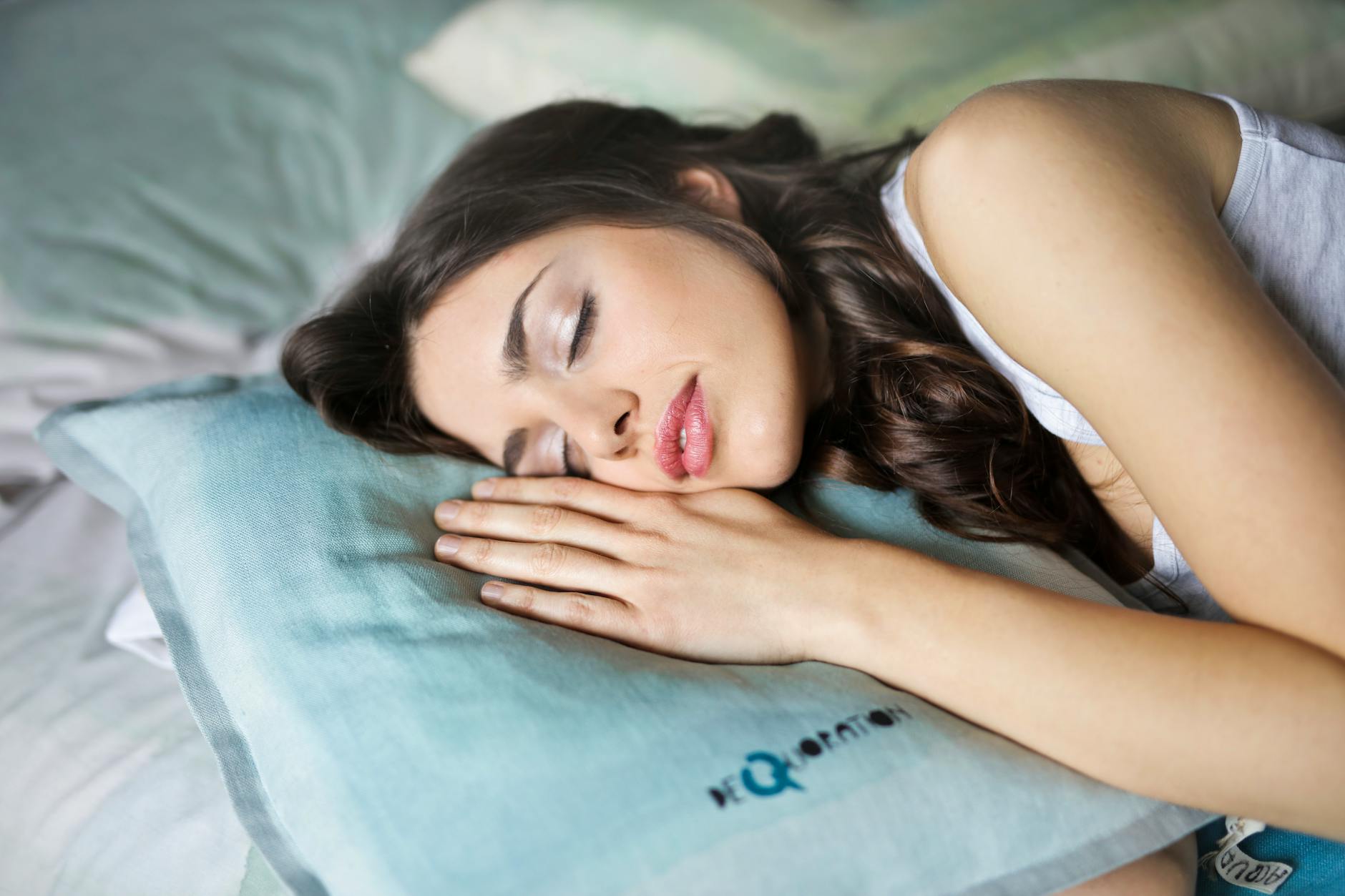
This is one of the most underappreciated causes of puffy eyes in the morning. Side sleepers and stomach sleepers consistently report more noticeable morning puffiness than back sleepers. The reason is straightforward: when you sleep with your face pressed against a pillow, or with your head at or below heart level, fluid pools more readily in the periorbital tissue — the area directly around the eye socket.
Back sleeping with the head slightly elevated promotes better lymphatic drainage from the face throughout the night. If you regularly wake up with significant puffiness on one side more than the other, your habitual sleep position is almost certainly a major contributor.
2. High Salt Intake the Night Before
Sodium is one of the most direct dietary triggers of morning eye swelling. The body uses sodium to regulate fluid balance, and when you consume a large amount of salt — particularly in the hours before bed — your body retains more water to dilute the excess sodium. That retained fluid tends to settle in the areas of loosest connective tissue, and the under-eye area is prime real estate.
A salty dinner, a bag of chips late at night, or a restaurant meal heavy in preserved or processed food can all noticeably increase morning puffiness. The effect is usually most visible within 8 to 12 hours of high sodium consumption, which is exactly the morning-after window.
3. Alcohol Consumption
Alcohol is a diuretic, which seems counterintuitive when it comes to fluid retention — but the relationship is more complex. While alcohol causes you to urinate more frequently and can lead to dehydration, it also triggers a rebound fluid retention response as your body attempts to compensate. This compensatory fluid retention tends to be most pronounced in facial tissue.
Alcohol also disrupts sleep architecture, reducing the amount of restorative deep sleep you get. Poorer sleep quality compounds the puffiness effect, because the lymphatic drainage and overnight repair processes discussed above are most active during deep sleep stages. Even a moderate amount of alcohol the night before can result in noticeably more swollen eyes the following morning.
4. Dehydration
It seems paradoxical, but not drinking enough water can contribute to fluid retention around the eyes. When the body detects that it's under-hydrated, it responds by holding onto whatever water is available more aggressively. This conservation response often results in the water being distributed unevenly — including accumulating in facial tissue.
The solution isn't to avoid drinking water in the evening (a common misconception), but rather to stay consistently well-hydrated throughout the day so the body doesn't enter a conservation mode overnight.
5. Allergies and Inflammation
Allergic reactions are a significant and frequently overlooked driver of morning eye puffiness. Allergens — whether airborne (dust mites in bedding, pet dander, pollen through an open window), topical (a new pillowcase detergent, a skincare product applied before bed), or food-related — trigger the release of histamine in the body.
Histamine causes blood vessels to dilate and become more permeable, allowing fluid to leak into surrounding tissue. The delicate skin around the eyes is particularly susceptible to this histamine-driven swelling. If your puffiness is accompanied by itching, redness, or watering of the eyes, allergies are a very likely cause and are worth investigating with an allergist or your primary care provider.

6. Aging and Changes in Skin Structure
The under-eye area undergoes structural changes as we age that make morning puffiness more pronounced and longer-lasting. Several processes are at play:
- Collagen and elastin decline: The proteins responsible for skin firmness and elasticity decrease with age, meaning the skin around the eyes becomes thinner and less able to "snap back" after fluid accumulation.
- Fat pad migration: Small fat pads that cushion the eye socket can shift position over time, migrating slightly forward and downward — creating a structural puffiness that is present regardless of fluid retention and appears more pronounced in the morning.
- Weakening of the orbital septum: This thin membrane holds the fat pads around the eye in position. As it weakens with age, fat can protrude more visibly into the lower lid area.
- Slower lymphatic function: The lymphatic system becomes less efficient with age, meaning the overnight drainage slowdown that everyone experiences has a more visible effect in older adults.
It's worth noting that these structural changes are normal and not a sign of any health problem. Understanding them helps set realistic expectations — morning puffiness related to aging changes tends to respond less dramatically to short-term remedies than lifestyle-driven puffiness.
7. Genetics
Some people are simply more predisposed to under-eye puffiness than others, and genetics plays a meaningful role. The thickness of your under-eye skin, the depth of your orbital fat pads, the efficiency of your lymphatic circulation, and your baseline inflammatory response are all substantially influenced by heredity. If your parents or siblings wake up with puffy eyes regularly, there is a reasonable probability that you will too.
Genetic predisposition doesn't mean nothing can help — the lifestyle and remedy factors described in this article are still effective — but it does mean that expectations should be calibrated accordingly.
What Actually Helps: Evidence-Based Remedies
If you're looking to reduce eye puffiness quickly in the morning or minimize it over the longer term, the following approaches have the most consistent scientific and clinical support.
Cold Compress or Cold Water
Applying something cold to the under-eye area is one of the fastest-acting remedies available and the science is solid. Cold causes vasoconstriction — the narrowing of blood vessels — which reduces blood flow to the area and limits the inflammatory response. It also helps reduce the permeability of blood vessel walls, slowing the leakage of fluid into surrounding tissue.
Effective methods include: a clean washcloth soaked in cold water, two chilled metal spoons placed gently over the closed eyes, refrigerated (not frozen) cucumber slices, or cold tea bags. Green tea and black tea bags have the added benefit of containing caffeine and tannins, which have mild vasoconstrictive properties of their own. Apply for 5 to 10 minutes for best effect.

Gentle Lymphatic Drainage Massage
Manual lymphatic drainage around the eye area can meaningfully speed up the morning de-puffing process. The technique involves very light pressure — the lymphatic vessels sit just beneath the skin surface and are easily compressed, so heavy pressure is counterproductive — using the ring fingers (which naturally apply the least force) in gentle sweeping motions.
Start at the inner corner of the eye and sweep outward toward the temple, then down the side of the face toward the neck, where major lymph nodes are located. Repeat 5 to 8 times on each side. This should take no more than 60 seconds and can noticeably reduce puffiness within minutes by physically moving stagnant lymphatic fluid toward active drainage points.
Head Elevation During Sleep
One of the most effective preventative strategies for morning puffiness is simply elevating the head during sleep. Adding an extra pillow or using a wedge pillow to keep the head above the level of the heart allows gravity to assist lymphatic and venous drainage from the face throughout the night, rather than working against it.
Studies on facial edema management consistently show that elevation is among the most effective interventions. Even a modest increase of 15 to 30 degrees can significantly reduce overnight fluid accumulation in the periorbital area.
Reduce Sodium Intake (Especially in the Evening)
If dietary salt is a contributing factor to your morning puffiness, reducing sodium — particularly in evening meals — is one of the most reliable long-term strategies. The American Heart Association recommends no more than 2,300 mg of sodium per day for most adults, but average consumption in the United States significantly exceeds this. Processed foods, restaurant meals, canned goods, and sauces are the primary culprits.
The effects of dietary changes on puffiness are not immediate — they typically manifest over several days to a week as the body adjusts its fluid balance — but the cumulative benefit is meaningful.
Stay Consistently Hydrated
Drinking adequate water throughout the day — rather than large amounts right before bed — helps prevent the dehydration-driven fluid retention response described earlier. Aim for consistent intake across the day, and be particularly mindful of rehydrating after exercise, alcohol consumption, or in hot weather, all of which increase fluid losses and trigger compensatory retention.
Antihistamines for Allergy-Driven Puffiness
If your morning eye puffiness is allergy-related, over-the-counter antihistamines — particularly second-generation options like cetirizine (Zyrtec) or loratadine (Claritin) that are less sedating — can be highly effective. Reducing the histamine response reduces the vascular permeability and dilation that drives inflammatory swelling.
Addressing the allergen source directly is also important: washing pillowcases and bedding frequently in hot water, using allergen-proof pillow covers, keeping pets out of the bedroom, and ensuring good ventilation can all reduce allergen exposure during the hours when you're most consistently exposed to your sleep environment.
Caffeine-Based Eye Products
Topical caffeine has reasonable evidence behind it as a temporary de-puffing agent. Applied to the skin, caffeine penetrates the epidermis and causes localized vasoconstriction, reducing fluid accumulation in the tissue beneath. Many eye creams and serums use caffeine as a key active ingredient for this reason. The effects are temporary — typically lasting a few hours — but they can be useful in the short term for reducing the visible appearance of puffiness before an important meeting or event.
When to See a Doctor
The vast majority of morning eye puffiness is harmless and driven by the normal physiological factors described above. However, there are situations where swelling around the eyes warrants medical evaluation:
- Sudden, significant swelling that appears without an obvious cause and doesn't resolve within a few hours of being upright.
- Swelling in only one eye, particularly if accompanied by pain, redness, vision changes, or discharge — these can be signs of infection (such as conjunctivitis or orbital cellulitis) or injury.
- Persistent puffiness that doesn't improve throughout the day and is present most of the time, not just in the morning. This can occasionally be a sign of systemic conditions including thyroid disorders (particularly hypothyroidism, which is associated with periorbital myxedema), kidney disease, or heart disease affecting fluid balance.
- Puffiness accompanied by other systemic symptoms such as unexplained weight gain, fatigue, shortness of breath, or swelling elsewhere in the body — these constellations of symptoms warrant prompt evaluation.
- Skin changes in the area, including discoloration, thickening, warmth to the touch, or any lesions.
If you're uncertain, a visit to your primary care physician is always the right call. The conditions listed above are diagnosable and treatable, and early identification improves outcomes.
Key Takeaways
Why do you have puffy eyes in the morning? Most likely because of a perfectly normal combination of overnight fluid redistribution, reduced lymphatic drainage during sleep, and one or more of the common contributing factors — sleep position, dietary sodium, alcohol, dehydration, allergies, age-related structural changes, or genetics.
The good news is that most morning eye puffiness is both predictable and addressable. Cold compresses, gentle lymphatic massage, sleeping with the head elevated, moderating salt and alcohol intake, and staying consistently hydrated are all backed by solid physiological reasoning and, for most people, produce visible results. The approach that works best for you will depend on which underlying causes are most relevant to your situation — which is exactly why understanding the biology behind morning puffiness matters more than simply reaching for the nearest eye cream.
Morning puffiness is one of those human experiences that feels alarming in the mirror but is almost always your body simply doing what bodies do. With a little understanding and some consistent habits, it's very manageable.