Why Your Feet Swell Every Day: The Real Causes of Foot and Leg Swelling and How to Fix Them
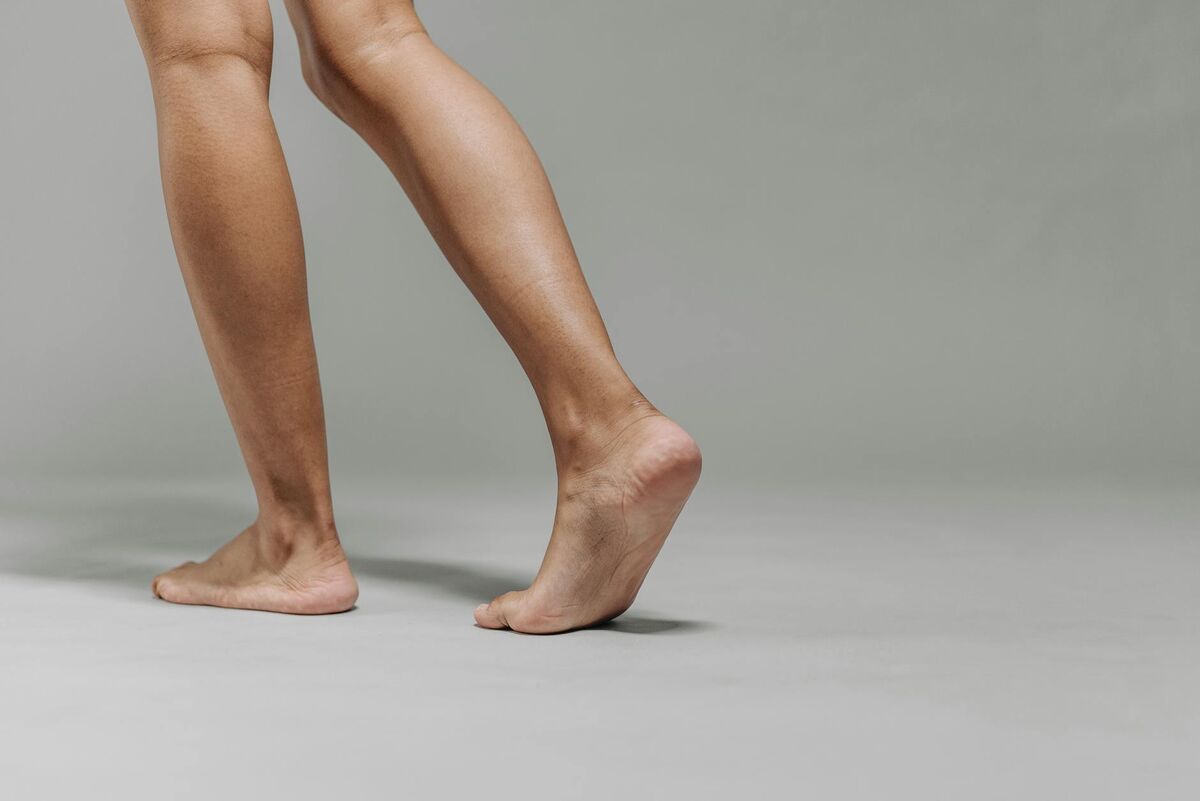
Your shoes fit fine in the morning, but by 3 p.m. they feel like they belong to someone a size smaller. Or maybe you've noticed that your ankles look puffier after a long flight, or that your feet ache and feel heavy after a day on your feet. You're not imagining it — and you're definitely not alone. Treatment for swelling of legs and feet is one of the most common health concerns searched online, and for good reason: foot and leg swelling affects millions of people of all ages every single day.
The good news is that most everyday swelling is not dangerous and can be managed with straightforward lifestyle changes. The important thing is understanding why it's happening — because the cause determines the fix. This guide covers the 8 most common causes of foot and leg swelling, what home remedies actually work, which ones are a waste of time, and the specific warning signs that mean you need to see a doctor right away.
What Is Actually Happening When Your Feet Swell?
Swelling — medically called edema — occurs when excess fluid accumulates in the tissues of your feet, ankles, and legs. Your body is constantly moving fluid through a complex system of blood vessels and lymphatic channels. When that system gets disrupted — by gravity, pressure, inflammation, or disease — fluid leaks out of the blood vessels and pools in the surrounding tissue. The result is that familiar puffiness, tightness, and heaviness you feel at the end of a long day.
Swelling can be pitting (when you press the skin and it leaves an indentation that slowly fills back in) or non-pitting (when the skin bounces back immediately). Pitting edema is more often associated with systemic conditions like heart or kidney problems, while non-pitting edema is more typical of lymphatic issues or thyroid disorders. Understanding which type you have is one of the first things a doctor will assess.
The 8 Most Common Causes of Foot and Leg Swelling
1. Prolonged Standing or Sitting
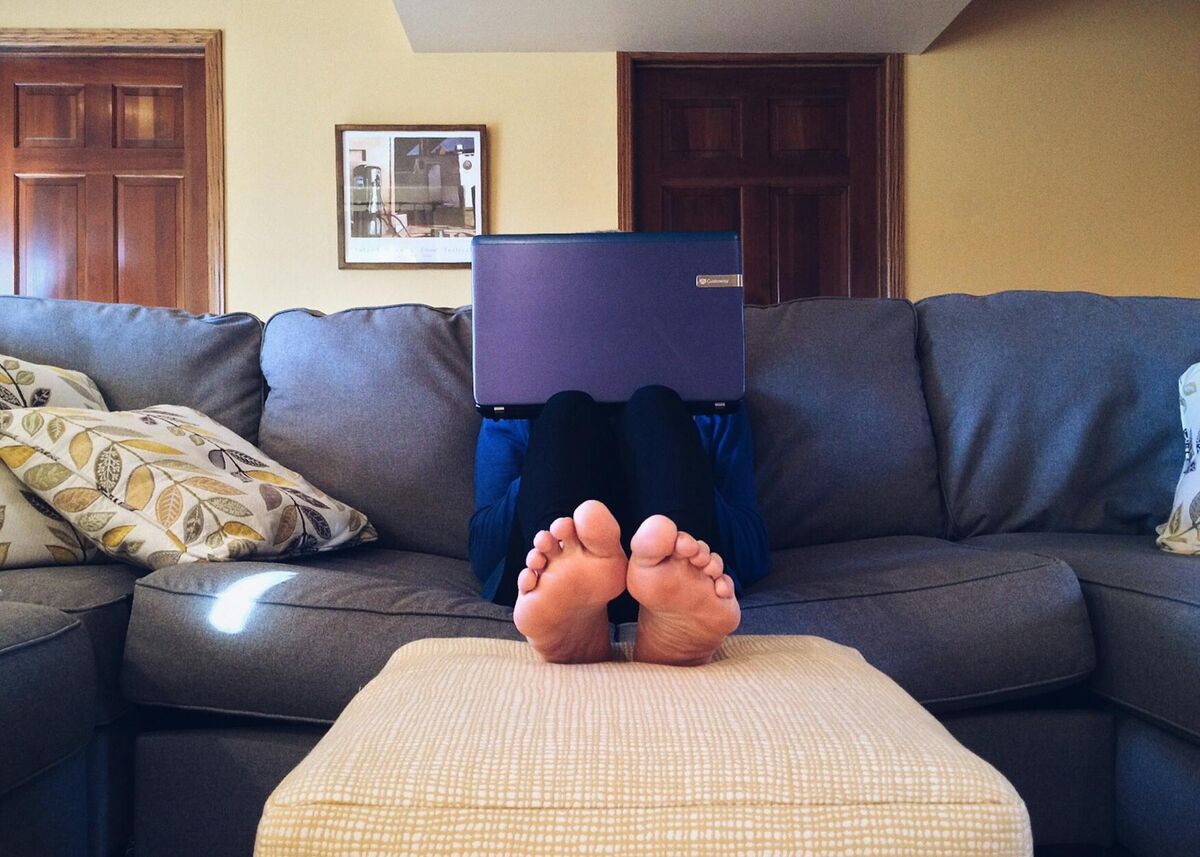
This is the most common cause of everyday foot swelling, and it's almost entirely mechanical. When you stand or sit for extended periods — a long shift at work, a cross-country flight, a road trip — gravity pulls blood and fluid down into your lower extremities faster than your body can pump it back up. Your leg muscles, which normally act like pumps to push blood back toward the heart, become inactive. Fluid accumulates. By evening, your ankles and feet may look noticeably larger than they did in the morning.
This type of swelling typically resolves overnight when you lie down and your legs are at the same level as your heart. If it doesn't resolve with rest, that's a signal to pay closer attention.
2. Poor Circulation
Your circulatory system is responsible for moving blood — and the fluid that comes with it — efficiently around your body. When circulation is compromised, fluid can back up in the legs and feet. Chronic venous insufficiency is one of the most common circulatory causes of foot swelling: the valves inside the leg veins weaken over time, allowing blood to pool instead of flowing efficiently back to the heart. This condition becomes more common with age, and it can cause persistent, daily swelling that worsens over time without intervention.
3. Pregnancy
Swollen feet and ankles are an extremely common side effect of pregnancy, particularly in the third trimester. The growing uterus puts pressure on the inferior vena cava — the large vein that returns blood from the lower body to the heart — and the body naturally retains more fluid during pregnancy to support the developing baby. Hormonal changes also play a role. While some foot swelling is entirely normal during pregnancy, sudden or severe swelling, especially in the hands or face, can be a sign of preeclampsia and requires immediate medical evaluation.
4. Medications
A surprisingly wide range of common medications list foot and ankle swelling as a side effect. These include:
- Calcium channel blockers (used for high blood pressure)
- Certain antidepressants, particularly SSRIs and MAOIs
- Corticosteroids like prednisone
- Non-steroidal anti-inflammatory drugs (NSAIDs) taken frequently
- Hormone therapies, including estrogen and testosterone
- Some diabetes medications (particularly thiazolidinediones)
If your swelling started around the same time you began a new medication, mention this to your prescribing doctor. Adjusting the dose or switching to an alternative may resolve the problem entirely.
5. Dietary Sodium and Dehydration
A high-sodium diet causes your body to retain water — it's one of the body's built-in regulatory responses. When sodium levels in the blood rise, the kidneys hold onto more water to dilute it, and that extra fluid has to go somewhere. Often, it ends up in your lower extremities. This is why a salty meal the night before can leave you waking up with puffy feet and tight shoes.
Paradoxically, dehydration can also cause swelling. When you don't drink enough water, your body interprets this as a shortage and responds by holding onto whatever fluid it has — again, often pooling in the legs and feet. Staying consistently hydrated is one of the simplest tools for foot swelling relief.
6. Injury or Inflammation
A sprained ankle, a stress fracture, tendinitis, or a bee sting near the foot will all cause localized swelling as part of the inflammatory response. This is your body's natural healing mechanism — increased blood flow and fluid help deliver immune cells and repair damaged tissue. This type of swelling is usually obvious because it follows a specific injury or incident, is often accompanied by pain and sometimes bruising, and is typically limited to one foot rather than both.
7. Heart, Kidney, or Liver Disease
This is the category that most people worry about — and rightly so. When the heart isn't pumping efficiently (heart failure), blood backs up in the venous system and fluid leaks into surrounding tissues, causing swelling in the legs, ankles, and feet. Kidney disease reduces the body's ability to filter and excrete excess fluid and sodium. Liver disease reduces the production of albumin, a protein that keeps fluid inside blood vessels; without enough albumin, fluid leaks out into tissues.
Swelling caused by these conditions tends to be bilateral (both legs), persistent, and progressive. It often occurs alongside other symptoms like shortness of breath, fatigue, or changes in urination. If you suspect an underlying organ issue, this is not something to manage at home — it requires prompt medical evaluation.
8. Lymphedema
The lymphatic system runs parallel to the circulatory system and is responsible for draining excess fluid from tissues back into the bloodstream. When the lymphatic system is damaged or blocked — whether from cancer treatment, infection, surgery, or congenital causes — fluid accumulates in the soft tissue, causing a distinctive type of swelling called lymphedema. Unlike ordinary edema, lymphedema tends to be chronic and progressive, and the skin over the swollen area may feel firm or thickened over time. It requires specialized treatment, including manual lymphatic drainage and compression therapy, and should be managed by a medical professional.
Home Remedies That Actually Work for Foot Swelling Relief
For everyday swelling caused by lifestyle factors — prolonged sitting, heat, sodium, dehydration — several evidence-supported home strategies can provide meaningful feet swelling relief without medication.
Elevation
This is the single most effective immediate remedy. Elevating your feet above the level of your heart allows gravity to help drain excess fluid back toward the core. Even 20 to 30 minutes of elevation can produce noticeable results. Lie on your back and prop your legs up on pillows so your feet are higher than your hips. Do this in the evening after a long day on your feet and you'll often see swelling reduced significantly by the next morning.
Movement and Calf Muscle Pumping
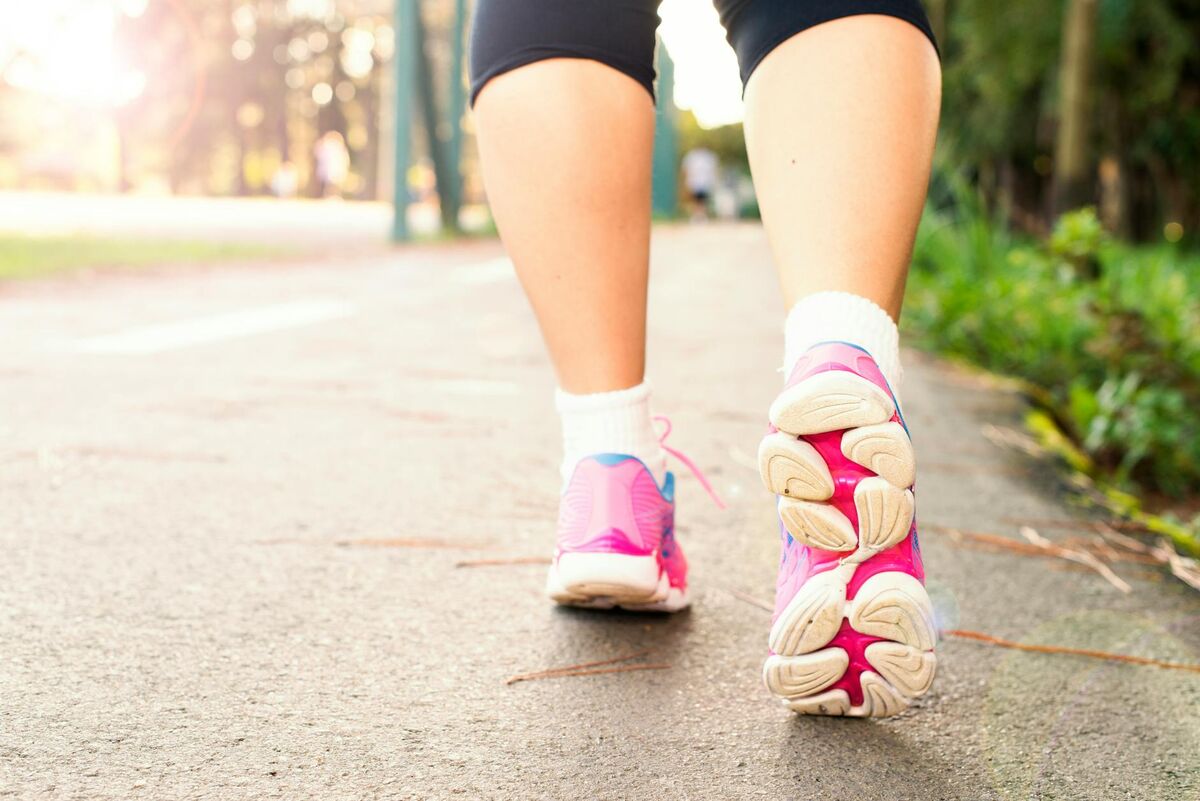
Your calf muscles act as a second heart for your legs, squeezing blood and fluid back upward with every step. When you're sedentary, this pump stops working. Regular movement — even a 5-minute walk every hour — can dramatically reduce the amount of fluid that pools in your lower legs during a long workday. If you're stuck at a desk, try simple calf raises: lift your heels off the floor and lower them slowly, repeating 15 to 20 times every hour. These micro-movements keep the venous pump active.
Reducing Dietary Sodium
If your swelling correlates with salty meals, cutting back on sodium can produce rapid results — often within 24 to 48 hours. The American Heart Association recommends no more than 2,300 mg of sodium per day (about one teaspoon of salt). The most significant sources of hidden sodium are processed foods, restaurant meals, canned soups, and deli meats. Replacing these with whole foods and cooking at home gives you direct control over your sodium intake.
Hydration
Drinking adequate water throughout the day — typically 8 to 10 cups for most adults, though needs vary — supports your kidneys in excreting excess sodium and fluid. Herbal teas, especially dandelion tea, have mild natural diuretic properties and have been used traditionally as one of the homemade remedies for swollen feet. While the evidence for herbal diuretics is not as strong as for prescription medications, staying consistently hydrated is universally beneficial.
Compression
Graduated compression garments — stockings or socks that apply more pressure at the ankle and gradually less pressure moving up the leg — are one of the most clinically validated tools for managing leg and foot swelling. They work by preventing fluid from pooling in the lower leg in the first place. Medical-grade compression stockings (15-20 mmHg or 20-30 mmHg) are available over the counter at pharmacies and are particularly helpful for people who stand all day, travel frequently by air, or have mild chronic venous insufficiency.
Epsom Salt Soaks
Soaking your feet in warm water with Epsom salts (magnesium sulfate) is a popular traditional remedy. The evidence that magnesium is absorbed through the skin in meaningful quantities is mixed, but warm water alone can help dilate blood vessels and improve local circulation, providing temporary comfort and some reduction in swelling. If nothing else, it's a relaxing way to spend 20 minutes at the end of a long day, and there's no harm in combining it with elevation.
Magnesium-Rich Foods
Magnesium deficiency has been linked to fluid retention in some studies. Foods rich in magnesium include dark leafy greens (spinach, kale), nuts and seeds (almonds, pumpkin seeds), legumes, whole grains, and dark chocolate. Incorporating these into your diet supports overall fluid regulation and may help reduce chronic low-grade swelling.
What Does NOT Work
Not every remedy for a swollen foot you'll find online has evidence behind it. Here are some commonly repeated suggestions that are either ineffective or potentially counterproductive:
- Tight footwear as compression: Regular shoes and socks that are too tight are not the same as graduated compression garments — they can actually worsen swelling by restricting circulation.
- Avoiding water to reduce swelling: Counterintuitive and counterproductive. Dehydration worsens fluid retention, not the opposite.
- Prolonged ice application: Ice can reduce acute inflammatory swelling after an injury for short periods, but chronic or regular icing of swollen feet without an injury cause can reduce circulation and worsen the underlying problem.
- Diuretic supplements without medical guidance: Potent herbal diuretics (like excessive dandelion or juniper) can disrupt electrolyte balance. Any diuretic strong enough to significantly reduce swelling is also strong enough to cause problems if misused.
When Foot and Leg Swelling Is a Medical Emergency
Most everyday foot swelling is benign and manageable at home. But some swelling is a red flag for a serious — sometimes life-threatening — underlying condition. Seek emergency medical care immediately if you experience any of the following:
Seek Emergency Care Immediately If You Have:
- Sudden swelling in one leg accompanied by pain, warmth, and redness — this can indicate a deep vein thrombosis (DVT), a blood clot that can travel to the lungs
- Swelling accompanied by chest pain, shortness of breath, or dizziness — this may signal pulmonary embolism or heart failure
- Severe swelling during pregnancy, especially with headache, vision changes, or upper abdominal pain — these are signs of preeclampsia
- Swelling following a bite or sting with signs of allergic reaction (hives, throat tightening, difficulty breathing)
See your doctor within a few days (not as an emergency, but soon) if you notice:
- Swelling that does not improve overnight with rest and elevation
- Swelling that is getting progressively worse over days or weeks
- Swelling in only one leg without an obvious injury
- Swelling accompanied by unexplained weight gain, fatigue, or breathlessness
- Skin changes over the swollen area — redness, warmth, ulceration, or skin that feels firm and thickened
- Swelling that appeared after starting a new medication
Frequently Asked Questions About Foot and Leg Swelling
Key Takeaways
Treatment for swelling of legs and feet starts with identifying the cause — because the right approach depends entirely on what's driving the fluid buildup in the first place. Here's what to keep in mind:
- Most daily foot swelling is benign and caused by gravity, inactivity, heat, or high sodium intake — all manageable with lifestyle changes.
- Elevation is your most powerful immediate tool — 20 to 30 minutes above heart level can produce visible results.
- Movement matters more than most people realize — regular walking and hourly calf exercises keep the venous pump active throughout the day.
- Hydration and sodium reduction work together as a dietary strategy for how to reduce foot swelling caused by fluid retention.
- Graduated compression stockings are clinically validated for daily swelling prevention — particularly for people who stand all day or travel frequently.
- Some swelling is a medical emergency. Sudden one-sided swelling with pain, swelling with breathlessness, or swelling during pregnancy with other symptoms all require immediate evaluation.
- If your swelling is chronic, worsening, or unresponsive to home measures, see a doctor — there may be an underlying condition that needs proper diagnosis and treatment.
Persistent swelling is your body's way of telling you that something in your system needs attention. Listen to it — and act on the right information rather than guesswork.