Why Your Gums Bleed When You Brush and How to Fix It

You rinse, spit, and notice a faint pink tinge in the sink. It happens often enough that you have started to wonder whether it is normal — or whether it is something you should worry about. If you have ever asked yourself why do gums bleed when brushing, you are not alone. Studies suggest that up to half of adults in the United States experience gum bleeding at some point, making it one of the most common oral health concerns dentists hear about.
The reassuring news is that, in many cases, bleeding gums are a signal rather than a crisis — your mouth's way of telling you that something small needs to change. The less reassuring news is that occasionally they point to something that genuinely does need professional attention. This guide walks you through the six most common reasons gums bleed when brushing or flossing, and — more importantly — exactly what you can do about each one.
1. Gingivitis: The Most Common Culprit
Gingivitis bleeding gums account for the majority of cases. Gingivitis is the earliest stage of gum disease, and it is almost entirely caused by plaque — the sticky, bacterial film that builds up on teeth every single day. When plaque is not removed consistently, the bacteria in it irritate the gum tissue, causing inflammation. Inflamed gums have a dramatically increased blood supply and become fragile, so even gentle contact from a toothbrush is enough to cause bleeding.
The American Dental Association confirms that gingivitis is reversible. Unlike the later stage of gum disease (periodontitis), it has not yet damaged the bone or connective tissue holding your teeth in place. That means a consistent two-week improvement in brushing and flossing habits is often enough to resolve it entirely.
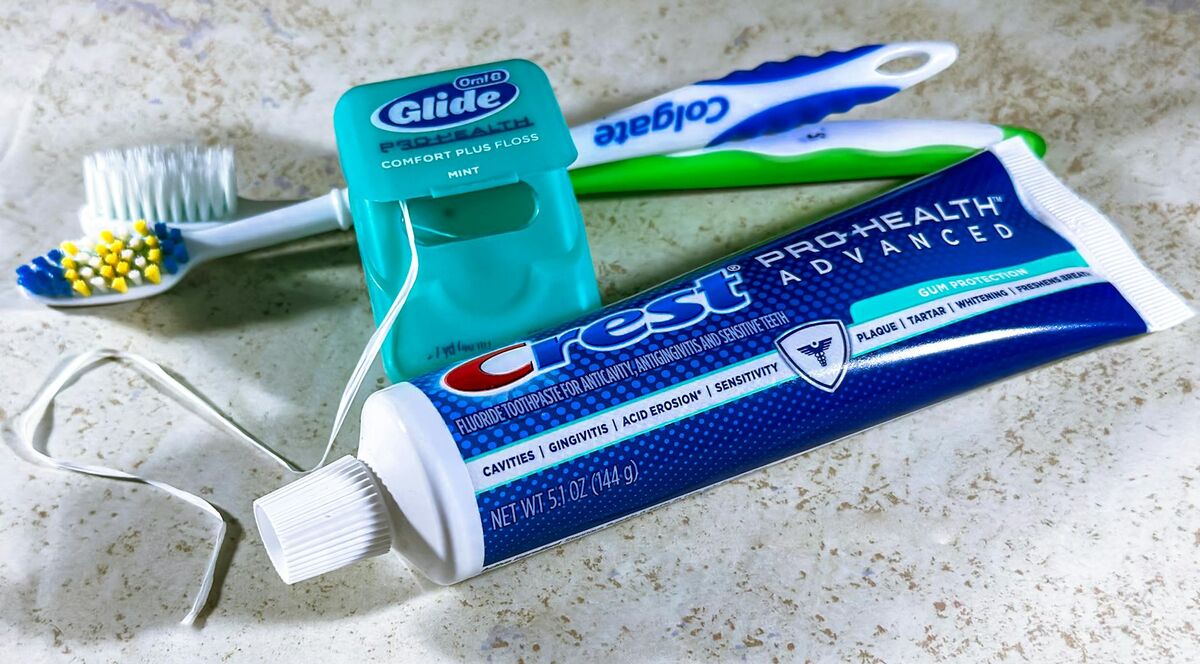
What to do: Brush twice a day for a full two minutes using a soft-bristled toothbrush, and floss once daily. It may seem counterintuitive to keep flossing when your gums bleed, but stopping will only allow more plaque to accumulate and prolong the inflammation. Within one to two weeks of consistent cleaning, most people with gingivitis see the bleeding stop.
2. Brushing Too Hard or Using the Wrong Toothbrush
Many people assume that scrubbing harder means cleaner teeth. In reality, it is one of the most frequent causes of bleeding gums — and it has nothing to do with disease. Aggressive brushing physically abrades gum tissue and can cause it to recede over time, exposing sensitive tooth roots. A medium or hard-bristled toothbrush amplifies the damage significantly.
Research published in the Journal of Clinical Periodontology found that roughly one in three people brush with excessive force — applying more than 150 grams of pressure, well above the recommended 100–150 gram range. Importantly, higher pressure does not remove more plaque; it simply damages soft tissue.
What to do: Switch to a soft-bristled toothbrush immediately. Use circular or gentle back-and-forth motions and let the bristles do the work — you should not need to press down at all. If you find yourself unconsciously pressing hard, an electric toothbrush with a pressure sensor is an excellent investment. Most pressure-sensor models vibrate or light up when you are pushing too hard, retraining your technique within a few weeks.
3. Poor Flossing Technique or Inconsistent Flossing
If your gums bleed when flossing and you only floss occasionally, the problem is almost certainly frequency rather than fragility. Gum tissue that is not regularly stimulated by flossing becomes inflamed where it sits against the tooth contact points — and bleeding on first contact is the predictable result.
Equally, incorrect technique causes bleeding even in people who floss daily. Snapping floss aggressively between teeth or sawing it back and forth cuts into the delicate gum margin rather than cleaning along it.
What to do: Floss gently every day, even if bleeding occurs at first. Curve the floss into a "C" shape around each tooth and slide it up and down against the tooth surface, dipping just below the gumline. Most people find that gum bleeding from infrequent flossing resolves within a week of daily use. If it persists beyond two weeks, book a dental appointment to rule out gingivitis.
4. Medications That Affect Gum Tissue
Several common prescription medications can directly cause or worsen bleeding gums causes — and many people are never told about this side effect. The main offenders fall into three categories:
- Blood thinners (warfarin, aspirin, clopidogrel, newer anticoagulants like rivaroxaban) — these reduce the blood's ability to clot, so any minor irritation to the gums results in more noticeable and prolonged bleeding.
- Calcium channel blockers (often prescribed for high blood pressure) — some, particularly amlodipine and nifedipine, can cause gingival overgrowth, where the gum tissue thickens and becomes harder to clean, leading to secondary inflammation.
- Immunosuppressants (cyclosporine and similar drugs used after organ transplants or for autoimmune conditions) — these can also cause gum overgrowth and increased susceptibility to infection.
What to do: Never stop or alter a prescribed medication without speaking to your doctor first. Instead, inform both your doctor and dentist about all medications you take. Your dentist may recommend more frequent professional cleanings to manage medication-related gum changes, and your doctor may be able to adjust the specific drug or dose if alternatives exist.
5. Vitamin C or Vitamin K Deficiency
Nutritional deficiencies are a less common but genuinely important cause of bleeding gums causes that often gets overlooked. Vitamin C (ascorbic acid) is essential for synthesising collagen, the structural protein that keeps gum tissue firm and resilient. A significant deficiency leads to a condition called scurvy, where gums become swollen, spongy, and bleed very easily — but even mild, subclinical deficiency can make gums more fragile than they should be.
Vitamin K plays a separate but equally important role in blood clotting. Low vitamin K levels mean that even minor gum irritation produces bleeding that is harder to stop and more visible.
Groups at higher risk of deficiency include people who smoke (smoking dramatically accelerates vitamin C depletion), people with very restricted diets, older adults with reduced dietary variety, and people with certain gastrointestinal conditions that impair nutrient absorption.
What to do: Increase dietary intake of vitamin C through citrus fruits, strawberries, bell peppers, and broccoli. For vitamin K, leafy greens such as kale, spinach, and Brussels sprouts are excellent sources. If you suspect a genuine deficiency — particularly if you are also experiencing other symptoms such as fatigue, easy bruising, or slow wound healing — a simple blood test through your GP can confirm it. Supplementation under medical guidance is effective when dietary changes alone are insufficient.
6. Hormonal Changes (Including Pregnancy Gingivitis)
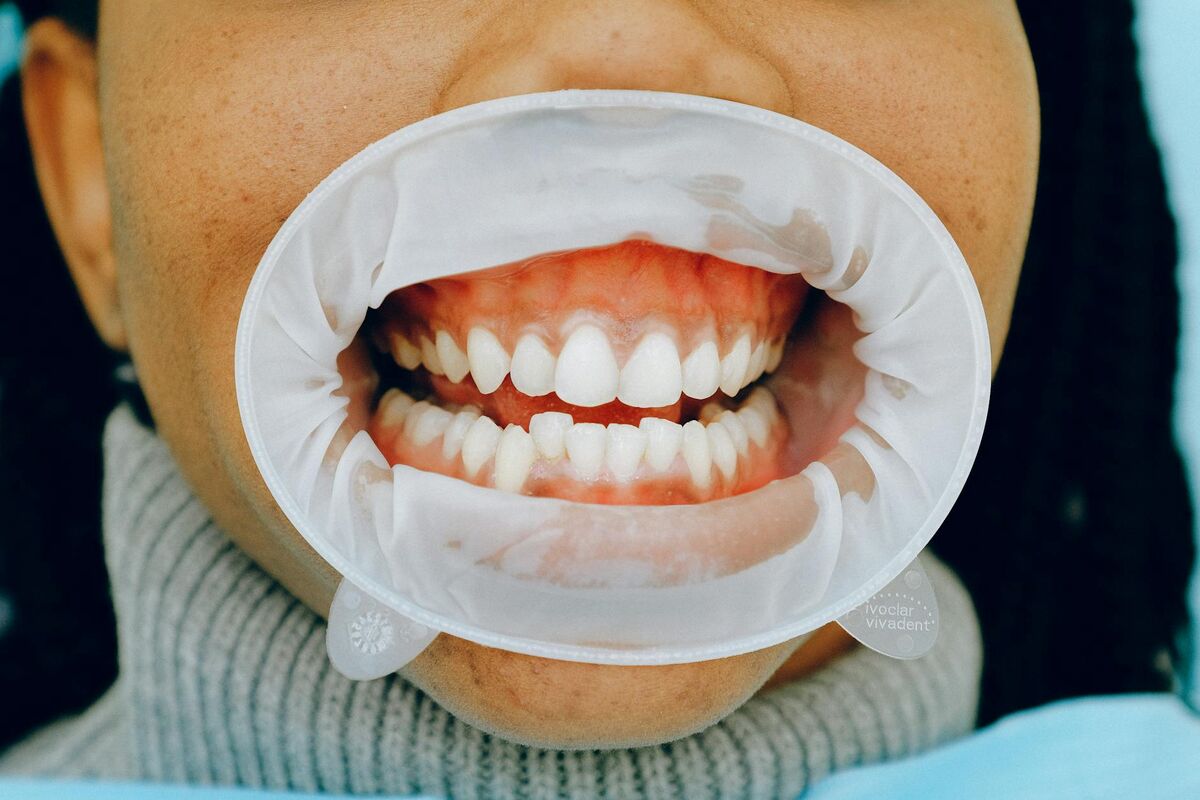
Hormonal fluctuations have a well-documented effect on gum tissue. During pregnancy, puberty, menstruation, and menopause, elevated levels of oestrogen and progesterone increase blood flow to the gums and alter how the immune system responds to bacterial plaque. The result is that gums become more reactive — even a modest amount of plaque that would cause no symptoms under normal hormonal conditions can trigger pronounced inflammation and bleeding.
Pregnancy gingivitis is particularly common, affecting an estimated 60 to 75 percent of pregnant women according to data published in the Journal of Periodontology. It typically develops between the second and eighth month and usually resolves after delivery. However, untreated gum disease during pregnancy has been associated — in some studies — with preterm birth and low birth weight, which underlines why it is worth addressing rather than dismissing.
What to do: Maintain rigorous but gentle oral hygiene throughout hormonal changes. If you are pregnant, inform your dentist so that professional cleanings can be scheduled appropriately (the second trimester is generally considered the safest window for routine dental work). Hormone-related gum sensitivity is manageable; it does not mean you have gum disease in the serious sense, but it does mean you need to be more attentive to daily cleaning during these periods.
How to Stop Gums From Bleeding: A Practical Checklist
Understanding the cause is the first step. Here is a consolidated checklist of evidence-based actions that address the most common triggers of how to stop gums from bleeding:
- Use a soft-bristled toothbrush and replace it every three months or when bristles fray.
- Brush for two full minutes, twice a day — use a timer or electric toothbrush with a built-in timer if needed.
- Floss once daily using proper C-curve technique. Water flossers are an effective alternative for those who find traditional floss difficult to manage.
- Rinse with an antiseptic mouthwash containing chlorhexidine (short-term) or cetylpyridinium chloride (long-term daily use) to reduce bacterial load.
- Eat a diet rich in vitamins C and K from whole-food sources.
- Stay well hydrated — dry mouth reduces saliva's natural antibacterial action and worsens gum inflammation.
- Quit smoking — smoking is one of the single most significant risk factors for gum disease. It also masks bleeding because it constricts blood vessels, meaning smokers can have serious gum disease with less visible bleeding than non-smokers.
- Book a professional clean every six months — hardened tartar below the gumline cannot be removed by brushing and flossing alone; it requires professional scaling.
Is Bleeding Gums Serious? When You Must See a Dentist
For the majority of people, is bleeding gums serious has a reassuring answer: no, not if addressed promptly. Gingivitis is reversible and the other causes described above are all manageable. However, there are specific signs that warrant a dental appointment without delay:
- Bleeding that persists for more than two weeks despite improved brushing and flossing.
- Gums that bleed spontaneously — without any contact from a toothbrush or food.
- Gums that are pulling away from your teeth, making teeth look longer than they used to.
- Persistent bad breath that does not improve with brushing.
- Loose teeth or teeth that have shifted position.
- Pus between the teeth and gums.
- Bleeding accompanied by pain or swelling beyond the gums alone.
These symptoms point toward periodontitis — advanced gum disease — or toward a systemic health condition that needs medical evaluation. Periodontitis is not reversible at home; it requires professional deep-cleaning procedures (scaling and root planing) and, in severe cases, surgical intervention. The earlier it is caught, the simpler and less costly the treatment.

Frequently Asked Questions About Bleeding Gums
Key Takeaways
Bleeding gums are a common, often correctable problem — but they are also a signal worth paying attention to. Here is a summary of everything covered in this guide:
- Gingivitis is the leading cause of bleeding gums and is fully reversible with improved brushing and flossing over one to two weeks.
- Brushing too hard with a medium or hard-bristled brush physically damages gum tissue — switching to a soft-bristled brush and lighter pressure resolves this quickly.
- Infrequent or incorrect flossing allows plaque to accumulate at the gumline, leading to inflammation and bleeding on contact.
- Certain medications — particularly blood thinners and calcium channel blockers — can worsen gum bleeding; always inform your dentist of all medications you take.
- Vitamin C and K deficiencies compromise gum tissue integrity and blood clotting; address through diet first, then supplementation if needed.
- Hormonal changes during pregnancy, puberty, and menopause make gums more reactive to plaque; extra vigilance with oral hygiene during these periods is important.
- See a dentist if bleeding persists beyond two weeks, if it occurs spontaneously, or if it is accompanied by gum recession, loose teeth, or persistent bad breath — these may signal more advanced gum disease requiring professional treatment.
The single most empowering thing to understand about gum bleeding is that, in most cases, your daily habits are both the cause and the cure. A soft brush, consistent flossing, and a dental clean every six months are enough to keep the vast majority of gum problems from developing in the first place — and to reverse them when they do.