Why Your Gums Bleed When You Brush (And How to Stop It)

You spit into the sink after brushing and notice it — a swirl of pink or red in the foam. It's unsettling. Your first thought might be that something is seriously wrong, or maybe you tell yourself it's nothing and rinse it away. The truth sits somewhere in between.
If your gums bleed when brushing, it is not something to ignore — but it is also not a reason to panic. Bleeding gums are one of the most common oral health complaints adults experience, and in most cases the underlying cause is both identifiable and fixable. What they are telling you, almost without exception, is that your gum tissue is inflamed and needs attention.
This guide explains the four most common bleeding gums causes, what each one means for your long-term oral health, and exactly what to do about each of them. By the end, you will have a clear picture of where the problem likely comes from — and a practical, evidence-based plan to make it stop.
Is It Normal for Gums to Bleed When Brushing?
The short answer is no. Healthy gum tissue does not bleed from the gentle mechanical action of brushing. When gums bleed in response to routine cleaning, it signals that the tissue is already in a state of inflammation — meaning blood vessels near the surface have become fragile, dilated, and reactive.
Think of it this way: if your skin bled every time you touched it lightly, you would know something was wrong. The same logic applies to your gums. The fact that gums bleeding when brushing is so common has unfortunately led many people to normalize it as just "how things are." It isn't.
That said, context matters. Gums that bleed occasionally when you have been lax about flossing, then stop once you resume regular cleaning, suggest mild, reversible inflammation. Gums that bleed consistently, bleed spontaneously, or bleed alongside other symptoms like swelling, pain, or recession are communicating something more urgent.
The good news: most cases of bleeding gums are caught and resolved well before they become serious — if you act on the signal rather than ignoring it.
The 4 Main Causes of Bleeding Gums
A. Gingivitis — The Most Common Cause
Gingivitis is responsible for the vast majority of cases where gums bleed when brushing. It is the earliest, most reversible stage of gum disease, and it is extraordinarily common — studies estimate that roughly half of American adults have some form of it.
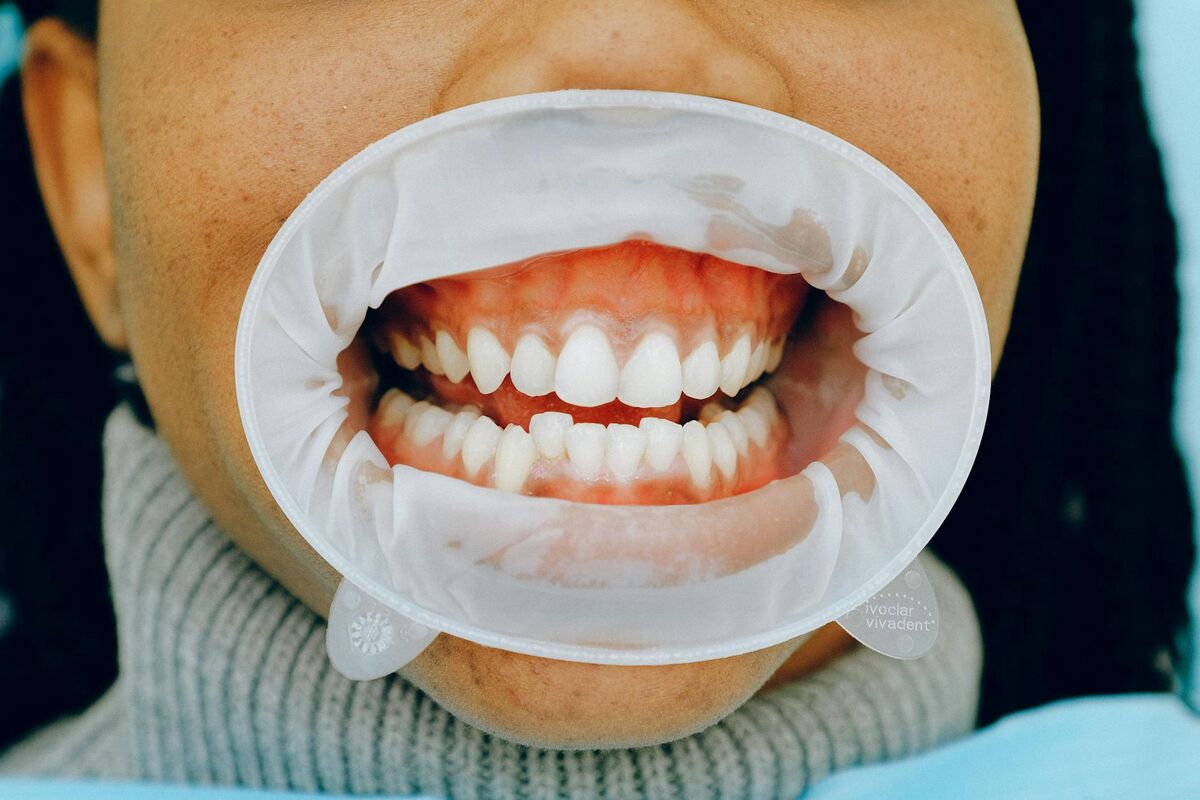
Gingivitis develops when plaque — the sticky, bacteria-laden film that constantly forms on teeth — is not removed thoroughly and regularly. Within 24 to 72 hours of plaque accumulating at the gumline, the bacteria in it begin releasing toxins that trigger an immune response in the surrounding tissue. The gums become inflamed: red, puffy, and prone to bleeding at the slightest provocation.
Gingivitis early signs to watch for beyond bleeding include:
- Gums that look red or dark pink rather than a healthy pale pink
- Puffiness or a "spongy" texture along the gumline
- Gums that feel tender when you press on them
- Persistent bad breath that doesn't respond to brushing
- Gums that bleed when you floss, not just when you brush
Left untreated, gingivitis advances to periodontitis — a more serious infection where the inflammation spreads below the gumline, destroying the bone and connective tissue that hold teeth in place. Periodontitis cannot be reversed; it can only be managed. This is why catching the problem at the gingivitis stage matters so much.
The encouraging news: gingivitis is completely reversible with consistent, proper oral hygiene. Most people with mild-to-moderate gingivitis see significant improvement within two to four weeks of improving their brushing and flossing habits.
B. Brushing Too Hard
Not all bleeding gums causes trace back to bacteria. Sometimes the problem is mechanical: you are simply applying too much pressure when you brush, and the abrasive force is traumatizing the delicate gum tissue.
This is more common than most people realize. Many people believe that brushing harder equals cleaner teeth. In reality, plaque is a soft, loosely attached film — it does not require force to remove. What aggressive brushing does instead is irritate gums, abrade tooth enamel, and over time cause gum recession, which exposes the sensitive root surfaces of teeth.
Signs you may be brushing too aggressively:
- Your toothbrush bristles look splayed or flattened after just a few weeks of use (they should last at least three months)
- You notice bleeding that is localized to specific spots, often where you naturally press harder
- Your teeth feel sensitive, particularly at the gumline
- You can see visible notches or grooves worn into the tooth surface near the gums
Proper brushing technique uses a soft-bristled toothbrush held at a 45-degree angle to the gumline. Use small, gentle circular or short back-and-forth strokes — no scrubbing. Apply only light pressure; the weight of the toothbrush itself is roughly the right amount. If you use an electric toothbrush, simply guide it slowly from tooth to tooth and let the oscillating head do the work.
C. Vitamin Deficiencies
Nutritional deficiencies — particularly of vitamin C and vitamin K — are an underappreciated driver of bleeding gums, especially in adults whose diets lack variety.
Vitamin C is essential for the synthesis of collagen, the structural protein that keeps gum tissue strong and resilient. When vitamin C levels fall, gum tissue becomes fragile and bleeds easily — a hallmark symptom of scurvy, the severe deficiency disease. Full-blown scurvy is rare in developed countries, but subclinical vitamin C insufficiency is surprisingly common, particularly among smokers (who metabolize it faster), people with limited fruit and vegetable intake, and older adults. Even mild deficiency can contribute to gum fragility and increased bleeding.
Vitamin K plays a critical role in blood clotting. Without adequate vitamin K2 in particular, minor gum bleeding that would normally resolve quickly may persist longer than it should. Vitamin K is found in leafy green vegetables, fermented foods, and some cheeses.
If you suspect a deficiency is contributing to your bleeding gums causes, a simple blood panel ordered by your doctor can confirm your levels. Increasing your intake of vitamin-C-rich foods (citrus, bell peppers, broccoli, strawberries) and vitamin-K-rich foods (kale, spinach, natto) is a good starting point, and supplementation can be considered under medical guidance.
D. Medications and Health Conditions
Several systemic factors can make gums more prone to bleeding independent of oral hygiene habits.
Blood-thinning medications — including warfarin, aspirin, heparin, and newer anticoagulants like rivaroxaban — reduce the blood's clotting ability. If you take any of these, minor gum irritation that would otherwise cause minimal bleeding may result in more noticeable bleeding. Always inform your dentist about any medications you are taking.
Hormonal changes significantly affect gum health. During pregnancy, elevated levels of progesterone amplify the gum's inflammatory response to plaque — a condition known as "pregnancy gingivitis" that affects up to 70% of pregnant people. Similar changes can occur during puberty, menstruation, and when using hormonal contraceptives.
Diabetes has a well-documented bidirectional relationship with gum disease. High blood sugar impairs immune function and circulation, making gum tissue more susceptible to infection and slower to heal. Conversely, active gum disease can make blood sugar harder to control. If you have diabetes and notice your gums bleed when brushing frequently, discuss it with both your dentist and your physician.
How to Stop Bleeding Gums
In most cases, learning how to stop bleeding gums comes down to a consistent combination of improved daily habits and, where needed, professional care. Here is what the evidence supports.
1. Upgrade Your Brushing Technique
Use a soft-bristled toothbrush — not medium, not firm. Position it at a 45-degree angle to the gumline so bristles gently contact both the tooth surface and the tissue just underneath. Use short, gentle strokes or small circular motions. Brush for a full two minutes, twice a day. If you are not sure how much pressure you are using, try brushing while holding the toothbrush with just your fingertips rather than your full palm — this naturally reduces force.
Replace your toothbrush (or brush head) every three months, or sooner if the bristles look frayed. Worn bristles are less effective at cleaning and more abrasive on tissue.
2. Floss Daily — Correctly
If your gums bleed when brushing or flossing, that is often a sign that you need to floss more consistently, not less. It feels counterintuitive, but inflamed gums that bleed when flossed will typically stop bleeding within a week or two of daily flossing as the inflammation resolves.

Use about 18 inches of floss, winding most of it around your middle fingers so you have a clean section for each gap. Curve the floss into a "C" shape around each tooth and gently slide it beneath the gumline — do not snap or force it. Move it up and down against the tooth surface two or three times before moving to the next gap.
3. Use an Antiseptic Mouthwash Strategically
Antimicrobial rinses containing chlorhexidine are among the most evidence-backed tools for reducing gingivitis-related bleeding. They reduce the bacterial load in the mouth and give inflamed gums a chance to recover. However, chlorhexidine rinses are typically recommended for short courses (two to four weeks) because extended use can stain teeth and disrupt the oral microbiome. Use them as a temporary aid while establishing better brushing and flossing habits, ideally under the guidance of your dentist.
Over-the-counter rinses with cetylpyridinium chloride (CPC) or essential oils are milder options suitable for daily use and can contribute to a meaningful reduction in plaque and gingival inflammation over time.
4. Try Salt Water Rinses
A warm salt water rinse — about half a teaspoon of table salt dissolved in eight ounces of warm water — is a simple, free, and genuinely effective way to soothe inflamed gum tissue. Salt creates a temporarily hostile environment for bacteria and can help reduce swelling. Rinse for 30 seconds, two to three times daily, particularly after meals. It will not replace brushing and flossing but it is a useful complement while your gums heal.
5. Address Your Diet
Reduce your intake of sugary and processed foods, which fuel the oral bacteria responsible for plaque and inflammation. Increase your consumption of crunchy vegetables and fruits (they help mechanically clean tooth surfaces and stimulate gum circulation), and prioritize foods rich in vitamin C and vitamin K as described above. Staying well-hydrated also supports saliva production, which is your mouth's natural defense against bacterial overgrowth.
6. Consider Remineralizing and Gum-Supportive Products
Toothpastes formulated specifically for gum disease prevention — those that contain ingredients like stannous fluoride, triclosan (where still available), or zinc citrate — have demonstrated meaningful reductions in gingival inflammation in clinical trials. Stannous fluoride in particular has both anti-cavity and antibacterial properties that address the root cause of gingivitis. Look for these ingredients on product labels when choosing a toothpaste. There is no need to use a brand-name product; generic formulations with these active ingredients perform comparably.
7. Schedule a Professional Cleaning
Even perfect at-home oral hygiene cannot remove tartar (calculus) — the hardened form of plaque that builds up below and above the gumline and cannot be brushed away. A professional cleaning (prophylaxis) performed by a dental hygienist removes tartar buildup and gives inflamed gums a clean foundation to recover from. For most people, a professional cleaning every six months is appropriate. Those with active gingivitis or early periodontitis may benefit from more frequent cleanings — every three to four months — until the condition is stabilized.
When to See a Dentist Immediately
While most cases of bleeding gums causes are manageable with improved home care, certain signs warrant prompt professional evaluation. Do not wait for your next scheduled checkup if you notice any of the following:
- Bleeding that persists for more than two weeks despite improving your brushing and flossing habits
- Gums that bleed spontaneously — without any brushing, flossing, or other contact
- Visible pus around the gumline or between teeth (a sign of active infection)
- Teeth that feel loose or have shifted in position
- Persistent bad breath that does not improve with brushing — particularly a foul or metallic odor
- Pain when chewing, or gums that are acutely painful to touch
- Visible gum recession — gums that appear to be pulling away from teeth, exposing more of the tooth surface

At your appointment, your dentist or hygienist will measure pocket depths around each tooth (healthy pockets are 1–3 mm; deeper pockets indicate more advanced disease), assess bone levels with X-rays if warranted, and recommend a treatment plan. For gingivitis, that plan is typically a thorough professional cleaning followed by reinforced home care instructions. For periodontitis, it may involve scaling and root planing — a deeper cleaning procedure performed under local anesthetic.
If you are taking blood thinners or have a systemic health condition like diabetes that may be contributing to your symptoms, your dentist may coordinate care with your physician. There is nothing to be embarrassed about — these conversations happen every day in dental offices and lead to better outcomes for everyone.
Prevention Tips: Building a Routine That Protects Your Gums Long-Term
The best strategy for gum disease prevention is building daily habits that keep plaque from accumulating in the first place. Once your gums have healed, these habits are what keep them healthy.
Daily oral hygiene: Brush twice a day for two minutes each time with a soft-bristled brush, and floss once a day — ideally before your last brushing of the night, so you remove the day's debris before sleeping. Consider adding a mouthwash rinse to your routine, particularly if you are prone to plaque buildup.
Regular dental checkups: For most adults, professional cleanings every six months are the standard recommendation. If you have a history of gum problems, your dentist may recommend more frequent visits. Do not skip these appointments — they are genuinely the best early-warning system for catching gum problems before they escalate.
Nutrition for gum health: A diet high in vegetables, fruits, lean proteins, and whole grains supports both your immune system and your oral health. Limit sugary beverages, sticky sweets, and highly processed foods. Drink plenty of water throughout the day, especially after meals.
Quit smoking: Tobacco use — in any form — is one of the strongest independent risk factors for gum disease. Smoking reduces blood flow to gum tissue, impairs the immune response, and masks bleeding (smokers' gums often don't bleed even when severely diseased, giving a false sense of health). If you smoke, quitting is among the most impactful things you can do for your long-term gum health.
Manage stress: Chronic stress elevates cortisol, which suppresses immune function and increases systemic inflammation — including in the gums. People under significant prolonged stress are meaningfully more susceptible to gum disease and slower to recover from it. Regular physical activity, adequate sleep, and stress-reduction practices like mindfulness or deep breathing all support lower baseline inflammation in the body.
Key Takeaways
If your gums bleed when brushing, the most important thing to understand is this: it is a signal, not a sentence. In the vast majority of cases, the cause is gingivitis — a reversible condition driven by plaque accumulation — and the solution is within your control. Consistent, proper brushing and flossing, combined with a professional cleaning, resolves most cases within a matter of weeks.
The four most common bleeding gums causes — gingivitis, aggressive brushing, nutritional deficiencies, and systemic factors like medications or health conditions — each have identifiable signs and practical solutions. The key is not to normalize the bleeding, ignore it, or panic about it, but to treat it as useful information and act on it promptly.
Make the appointment. Improve the habit. Pay attention to what your body is telling you. Bleeding gums caught early are almost always completely fixable — and your long-term oral (and overall) health is absolutely worth the effort.