Why Your Home Feels Dirty Even After You Clean It (And the Surfaces Most People Miss)
You spent two hours cleaning. You vacuumed, mopped, wiped down the counters, scrubbed the sinks, and changed the sheets. And yet, somehow, your home still doesn't feel clean. If that sounds familiar, you are far from alone — and the problem almost certainly isn't your effort or your cleaning products. It is the surfaces most people forget to clean at home.
Most standard cleaning routines focus on the obvious: floors, countertops, bathrooms. These are the surfaces we see getting dirty, so they are the ones we clean. But a home's true hygiene is determined largely by the surfaces we touch dozens of times a day without ever thinking about them. These are the spots that silently accumulate grease, bacteria, skin oils, and grime — and because they rarely look visibly dirty, they never make it onto the cleaning checklist.
This guide explains the psychology behind why we miss these areas, then walks through 12 specific high-touch surfaces in your home that deserve attention, along with practical guidance on how often to clean each one.
Why a Visually "Clean" Home Can Still Feel Grimy
Human perception of cleanliness is heavily visual. If floors are swept and surfaces are clear of clutter, the brain registers the space as clean — even when bacterial colonies are thriving on the door handles you touch twenty times a day. Researchers who study indoor hygiene call this the "clean surface illusion": we unconsciously assume that if something doesn't look dirty, it isn't.
There is also a cognitive pattern at play called habituation. The more familiar something is in our environment, the less consciously we perceive it. A light switch plate has been in the same spot for years. You flip it without looking. Your brain has long since stopped registering it as something that needs maintenance. The same applies to the TV remote, the handle of the fridge, the edge of a cabinet door — all of which are touched constantly and cleaned almost never.
The result is a home that passes the visual test but fails the hygiene test. The air still feels a little stale, your hands never quite feel clean after touching things, and guests who sit on your couch — which you haven't wiped down in six months — pick up an invisible residue you've stopped noticing. Understanding this gap between appearance and actual cleanliness is the first step toward fixing it.
The 12 Surfaces Most People Forget to Clean (And How Often to Do It)
The following surfaces are consistently overlooked in cleaning research and household surveys. Each one is a high-touch surface that can harbor bacteria, viruses, mold spores, or allergens well beyond what is visible to the eye.
1. Light Switches and Outlet Covers
How often to clean: Once a week, or more frequently during cold and flu season.
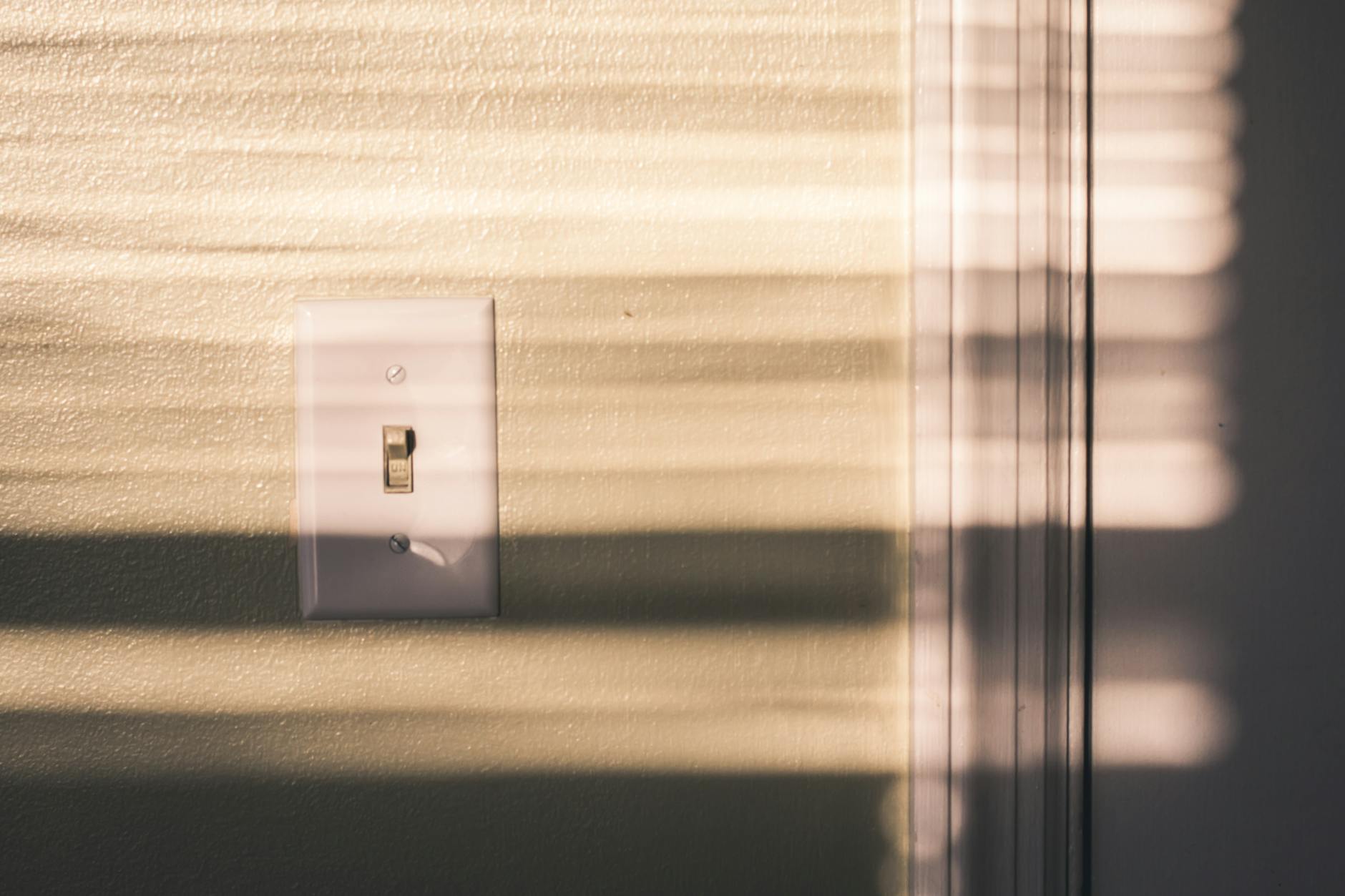
Studies on surface contamination consistently rank light switches among the most bacteria-laden surfaces in the home. Every person in the household touches them multiple times a day — often right after handling food, coming inside from outdoors, or touching their face. A damp microfiber cloth with a small amount of disinfectant spray handles these in seconds. Just switch the power off at the breaker or spray onto the cloth rather than directly onto the switch to avoid moisture getting into the electrical components.
2. Door Handles and Knobs
How often to clean: Two to three times per week; daily during illness outbreaks.
Interior door handles — the front door, kitchen door, bathroom door, bedroom door — accumulate oils, dead skin cells, and microorganisms from every hand that touches them. Exterior door handles are even worse, collecting outdoor contaminants as well. A quick wipe with a disinfectant cloth takes under a minute and dramatically reduces the microbial load throughout your home.
3. Remote Controls
How often to clean: Once a week, minimum.
Remotes are handled while eating, while sick, while touching pets, and while relaxing in unwashed clothes. They fall between couch cushions, collect crumbs in every crevice, and are rarely if ever disinfected. To clean properly, remove batteries first, wipe the outer surface with a lightly dampened disinfectant cloth, and use a toothpick or cotton swab to clear debris from button gaps. Allow to dry fully before reinserting batteries.
4. Refrigerator Handles
How often to clean: Once or twice a week.
Kitchen hygiene research has identified the refrigerator handle as one of the highest-risk cross-contamination points in the home. Raw meat juices, unwashed hands, and sticky residue from food preparation all make their way onto this surface multiple times a day. Because the fridge handle is so close to where food is prepared and consumed, keeping it clean is directly relevant to food safety — not just aesthetics.
5. Appliance Fronts and Control Panels
How often to clean: Once a week for high-use appliances; monthly for others.
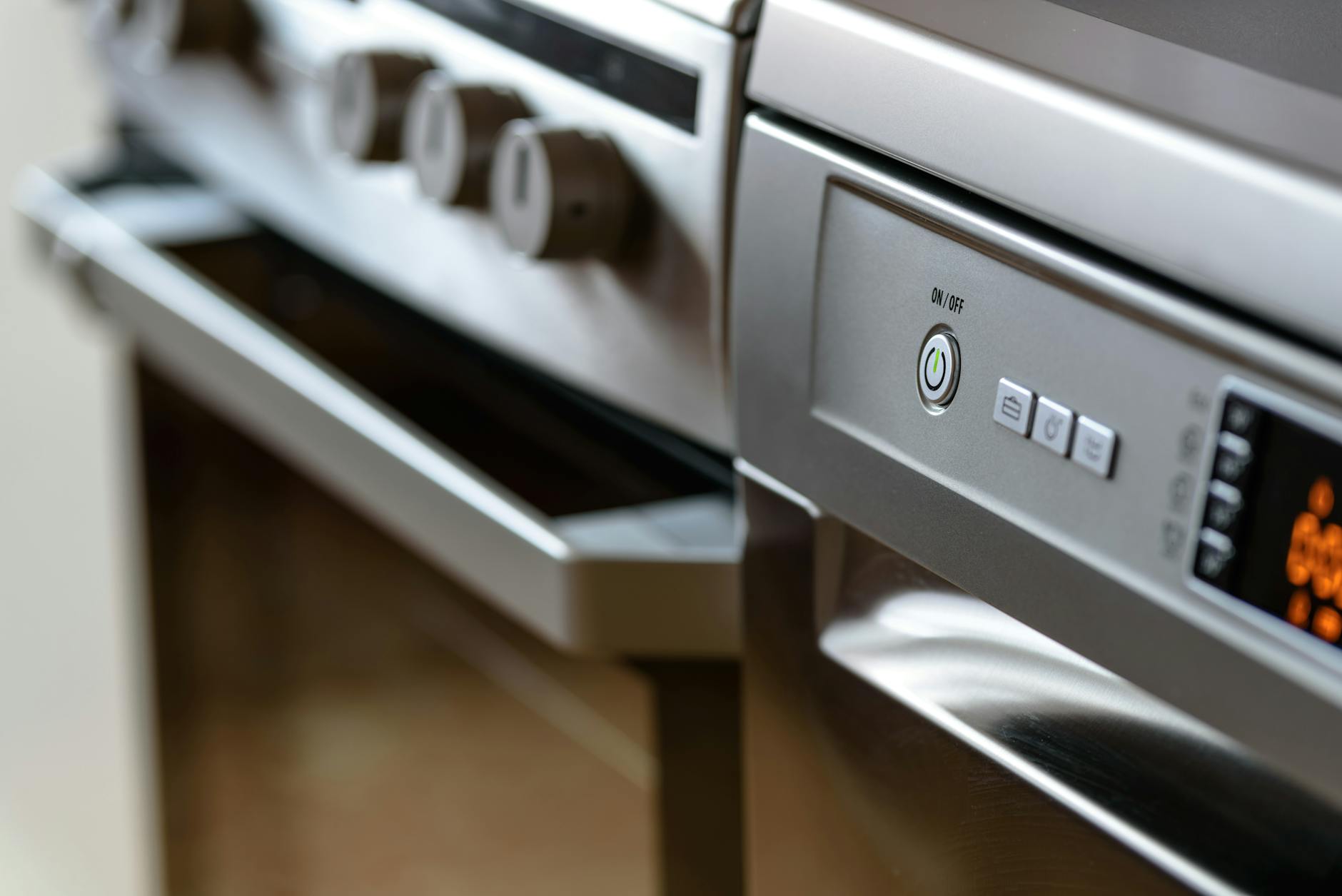
The front of the microwave, the oven control panel, the dishwasher buttons, the washing machine dial — these surfaces are touched with greasy or wet hands constantly, yet rarely get more than an accidental wipe. Stainless steel appliance fronts in particular show smudging easily when light hits them at an angle, which is why a "clean" kitchen can still look and feel grimy. A microfiber cloth with a streak-free cleaner is all that is needed; for stainless steel, always wipe in the direction of the grain.
6. Cabinet and Drawer Handles
How often to clean: Weekly in the kitchen; monthly elsewhere in the home.
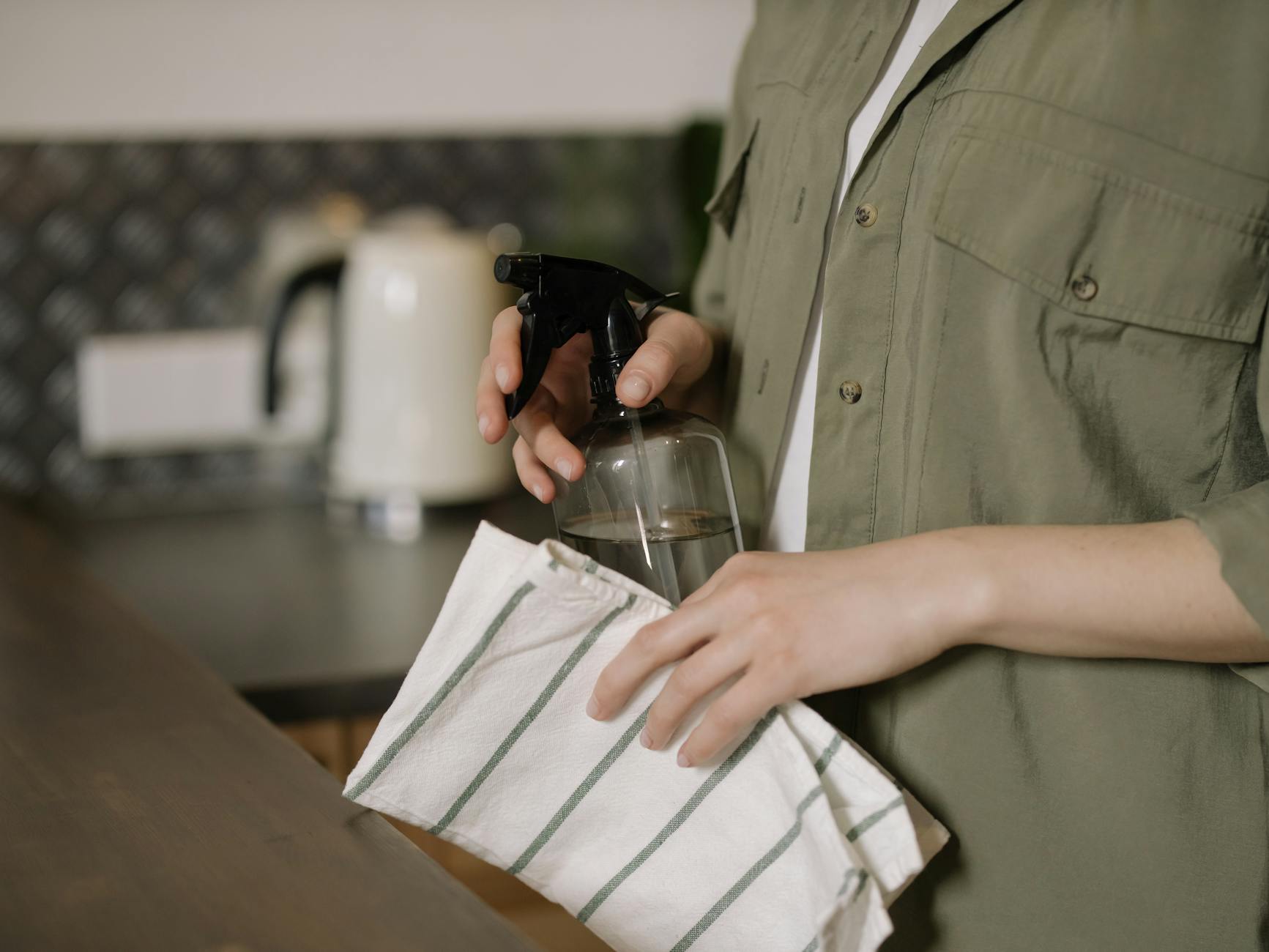
Kitchen cabinet handles are some of the most-touched surfaces in the home that almost no one thinks to clean. Every time someone opens a cabinet while cooking — potentially with hands covered in flour, raw chicken juice, or butter — that residue transfers to the handle. Over weeks and months, this builds up into a layer of invisible grime that no amount of floor mopping will address. A degreasing spray and a cloth makes short work of this during any regular kitchen wipe-down.
7. Faucet Handles
How often to clean: Two to three times per week in the kitchen; once a week in the bathroom.
There is a particular irony about faucet handles: they are touched most often by dirty hands reaching to wash them — meaning they are consistently contaminated at exactly the moment of contact. Kitchen faucet handles are especially prone to this cycle, collecting raw food residue and bacteria each time someone turns the water on while handling ingredients. Cleaning these as part of your countertop wipe-down adds only seconds but makes a meaningful difference.
8. Stair Railings and Banisters
How often to clean: Once a week in households with children; every two weeks otherwise.
In households where stairs are used regularly, banisters accumulate oils and grime from hand contact across the full length of the rail. In families with young children, this can include food residue, mucus, and other contaminants. Because the surface is long and slightly inconvenient to wipe down, it gets skipped. Run a damp cloth along the full length of your railing every week and you will be surprised by what comes off, even in a recently "cleaned" home.
9. Computer Keyboards and Monitor Bezels
How often to clean: Keyboard monthly with compressed air; bezel and surfaces weekly.
The average computer keyboard contains more bacteria per square inch than most toilet seats, according to multiple consumer and microbiology studies. This statistic sounds shocking but makes perfect sense: keyboards are touched for hours every day, often while eating, and are almost never cleaned. The monitor bezel — the plastic frame around the screen — collects dust, skin oils from adjustment touches, and aerosol from sneezing nearby. A compressed air canister clears keyboard debris; an electronics-safe wipe handles the rest.
10. Couch Armrests and Cushion Edges
How often to clean: Vacuum monthly; wipe fabric armrests with appropriate cleaner every two weeks.
Most people think of vacuuming the couch cushions as thorough enough. But the armrests — where hands rest while watching TV, eating snacks, or using a phone — absorb skin oils and grease over time and develop a sticky, dull quality that makes a room feel dingy. If your sofa has fabric armrests, an upholstery cleaner or a mixture of dish soap and water applied with a cloth and blotted dry will refresh them considerably. Leather armrests benefit from a leather conditioner after cleaning.
11. The Top of the Toilet Tank
How often to clean: Weekly, alongside the rest of the toilet.
Most people clean the toilet bowl and seat regularly. Far fewer clean the top of the tank, despite the fact that it sits in a bathroom environment with significant airborne contamination and is often used as a surface to place things on — phones, toilet paper rolls, reading material. Clean the tank top as part of your regular bathroom routine; it takes ten seconds and completes the hygiene loop that a bowl-only clean leaves open.
12. Baseboards and Trim
How often to clean: Once a month, or seasonally at minimum.
Baseboards are one of the most visually impactful surfaces that most cleaning routines skip entirely. Dust settles on the flat upper edge of baseboards and, when disturbed by foot traffic or air movement, circulates through the room — contributing to that indefinable sense that the air is stale or the room isn't quite clean. Because baseboards run along the floor, they also collect hair, pet dander, and fine debris that the vacuum misses. Running a damp microfiber cloth along your baseboards during a deep clean transforms the feel of a room in a way that is hard to explain but immediately noticeable.
Building a Cleaning Habit That Actually Covers Everything
The reason cleaning habits that make your home cleaner tend to be more sustainable than marathon deep-clean sessions is simple: maintenance is always easier than restoration. A home that is wiped down and disinfected incrementally throughout the week stays in a genuinely clean state, whereas a home that only gets cleaned once a week on a Saturday morning will spend six days accumulating the exact grime covered above.
A practical framework for a quick clean home routine that actually covers these overlooked surfaces looks something like this:
- Daily (2 minutes): Wipe fridge handle, faucet handles, and stove control knobs as part of your end-of-cooking kitchen reset.
- 2-3 times per week (5 minutes): Door handles, light switches, remote controls.
- Weekly (10-15 minutes): Appliance fronts, cabinet handles, toilet tank top, banister, couch armrests.
- Monthly (20-30 minutes): Keyboard and monitor, baseboards, inside microwave ceiling, washing machine door seal.
What makes this approach powerful is its incremental nature. None of these tasks alone takes more than a minute or two. But consistently doing them means that the surfaces your hands and eyes interact with most are always genuinely clean — which is what finally closes the gap between a home that looks clean and one that actually feels clean.
A Note on Cleaning Products and Surfaces
Not every surface should be cleaned with the same product. Understanding the basics of how to deep clean your home properly means matching the cleaner to the material:
- Electronics and screens: Always use electronics-safe, alcohol-based wipes or a lightly dampened microfiber cloth. Never spray liquid directly onto a screen or keyboard.
- Stainless steel: Use a dedicated stainless steel cleaner or a microfiber cloth slightly dampened with dish soap diluted in water. Always wipe with the grain to avoid scratching.
- Fabric upholstery: Test any cleaning solution on a hidden area first. Most upholstery responds well to a small amount of dish soap worked into a light lather and blotted — never rubbed — dry.
- Wood trim and baseboards: A damp (not wet) cloth is usually all that is needed. Avoid soaking wood surfaces, which can cause warping or finish damage over time.
- High-touch plastic surfaces (switches, remotes, handles): An isopropyl alcohol wipe or a diluted disinfectant spray on a cloth effectively kills bacteria and viruses without damaging most plastic surfaces.
Knowing how often to clean household surfaces is only half the equation. Using the right product for each surface ensures you are actually removing contaminants rather than just spreading them around or inadvertently damaging a finish.
Key Takeaways
The persistent feeling that your home is not quite clean — even after a full cleaning session — is almost always traceable to a specific set of overlooked high-touch surfaces. Light switches, door handles, appliance fronts, remote controls, cabinet handles, faucets, stair railings, keyboards, couch armrests, the top of the toilet tank, and baseboards are consistently skipped because they do not trigger our visual cleaning cues. They do not look dirty, so they feel like they do not need cleaning. But they are often the dirtiest surfaces in the home by any microbiological measure.
The fix is not to clean more intensively once a week — it is to expand the definition of what gets cleaned and to build small, consistent habits around the surfaces that actually matter. A few targeted minutes spread across the week is all that is needed to bring the hygiene reality of your home in line with how it looks. Once you start including these surfaces in your regular routine, the difference in how your home feels — to you and to guests — is immediate and unmistakable.