Xylitol for Teeth: What the Research Actually Shows

Walk through the natural health aisle of any pharmacy and you will find xylitol everywhere — in gum, mints, toothpaste, mouthwash, and even nasal sprays. Marketers pitch it as a near-miraculous cavity fighter derived from birch trees, and online communities have elevated it to something close to dental gospel. But how much of that reputation is grounded in solid clinical evidence, and how much is carefully packaged marketing?
The truth, as it usually is, sits somewhere between the hype and the skepticism. Xylitol benefits for teeth are real and documented — but they come with important caveats about dosage, frequency, delivery method, and the populations most likely to benefit. This article digs into what peer-reviewed research actually says, outlines the biological mechanisms behind xylitol's effect on oral bacteria, and gives you practical, evidence-based guidance on how to use it effectively. No supplements to sell. No affiliate links. Just the science.
What Is Xylitol?
Xylitol is a sugar alcohol — technically a polyol — that occurs naturally in small amounts in many fruits, vegetables, and hardwood trees, most notably birch. Commercially, it is extracted primarily from birch bark or from corn cobs, making it one of the few sweeteners with a genuinely natural origin story, even if the industrial extraction process is anything but artisanal.
Chemically, xylitol shares the same sweetness level as sucrose (table sugar) but has a fundamentally different molecular structure. While sugar is a six-carbon aldehyde or ketone, xylitol is a five-carbon polyol. That single structural difference is, as we will see, the key to everything.
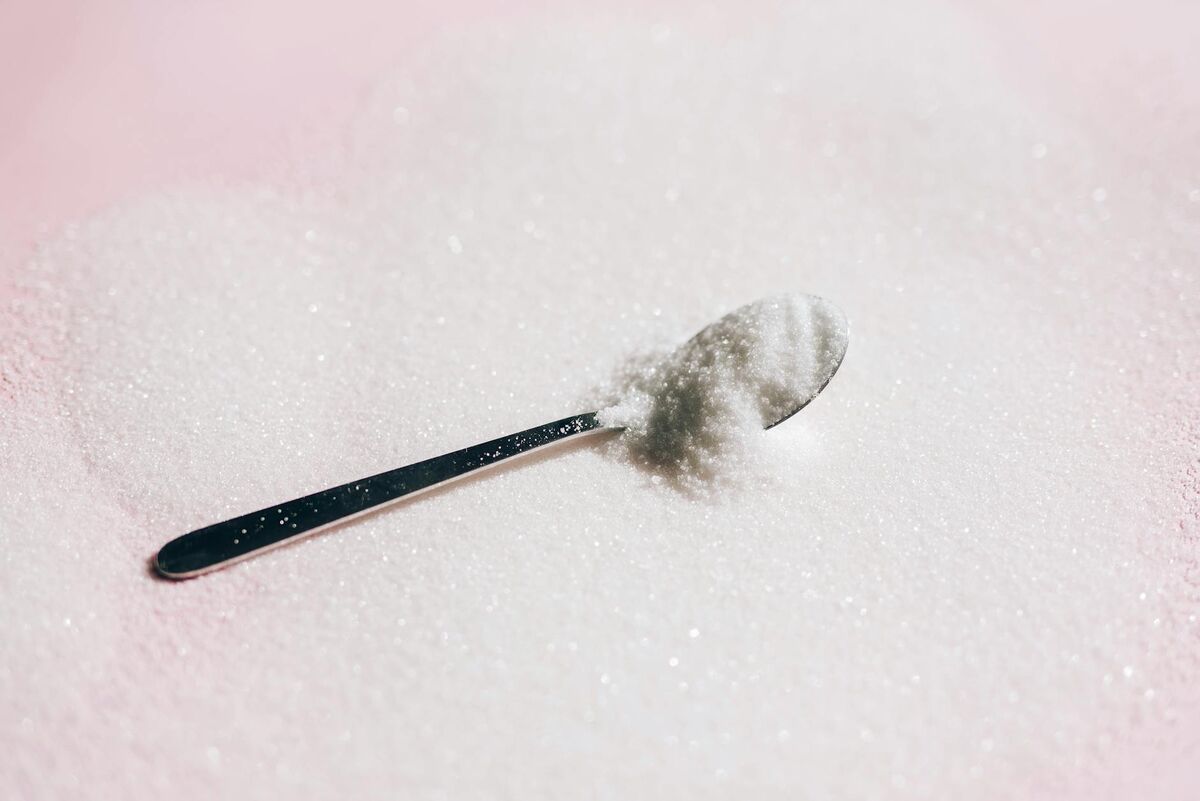
Xylitol has about 40% fewer calories than sugar (roughly 2.4 kcal/gram vs. 4 kcal/gram) and a very low glycemic index (GI of around 7 compared to sugar's GI of 65), making it popular among people managing blood sugar. It also produces a pleasant cooling sensation in the mouth — that distinctive freshness you notice in sugar-free gum.
Safety profile: Xylitol is generally recognized as safe (GRAS) by the US FDA for human consumption and has been used in food products since the 1960s. At high doses, it can cause digestive discomfort (more on that later). One critical safety warning that cannot be overstated: xylitol is severely toxic to dogs. Even small amounts — as little as one piece of xylitol gum — can cause life-threatening hypoglycemia and liver failure in dogs. If you use xylitol products, keep them well out of reach of pets.
How Xylitol Protects Teeth: The Biological Mechanism
To understand xylitol benefits for teeth, you need to understand how cavities form. Tooth decay is an infectious, bacteria-driven process. The primary culprit is Streptococcus mutans (S. mutans), a bacterium that lives in dental plaque, ferments sugars into lactic acid, and drives down the pH of the oral environment. When pH in the mouth drops below approximately 5.5, tooth enamel begins to demineralize — that is how cavities start.
Here is where xylitol's five-carbon structure becomes significant. S. mutans readily transports xylitol into its cells via the same channels used for fructose. Once inside, the bacteria attempt to metabolize it — but cannot. Xylitol gets converted into xylitol-5-phosphate, a dead-end metabolite that the bacteria cannot process further. This futile cycle wastes the bacterium's energy without producing any acids.
Over time, repeated exposure to xylitol appears to do more than just frustrate individual bacteria. Research suggests several compounding effects:
- Bacterial "starvation": Because xylitol yields no usable energy for S. mutans, regular exposure gradually reduces the proportion of these acid-producing bacteria in dental plaque.
- Reduced plaque adhesion: Xylitol-adapted strains of S. mutans appear to be less sticky and less able to adhere to tooth surfaces, potentially making plaque easier to remove with brushing.
- pH buffering: By limiting acid production, xylitol helps keep the oral pH in a safer range after meals — a window when acid attacks normally peak.
- Saliva stimulation: Chewing xylitol gum — the most studied delivery method — significantly increases saliva flow. Saliva is the mouth's natural defense system: it buffers acids, delivers calcium and phosphate ions to enamel, and contains antimicrobial proteins. This effect is partly mechanical (chewing) and partly chemical.
- Potential remineralization support: Some research indicates that xylitol may help facilitate the redeposition of calcium and phosphate into early lesions on enamel, though the evidence here is less robust than for the bacterial effects.
In contrast to sucrose — which directly feeds S. mutans and accelerates acid production — xylitol vs sugar dental health outcomes are about as different as they could be. Sugar is essentially fertilizer for cavity-causing bacteria. Xylitol is, in a very real sense, a metabolic dead end for them.
What the Research Actually Says
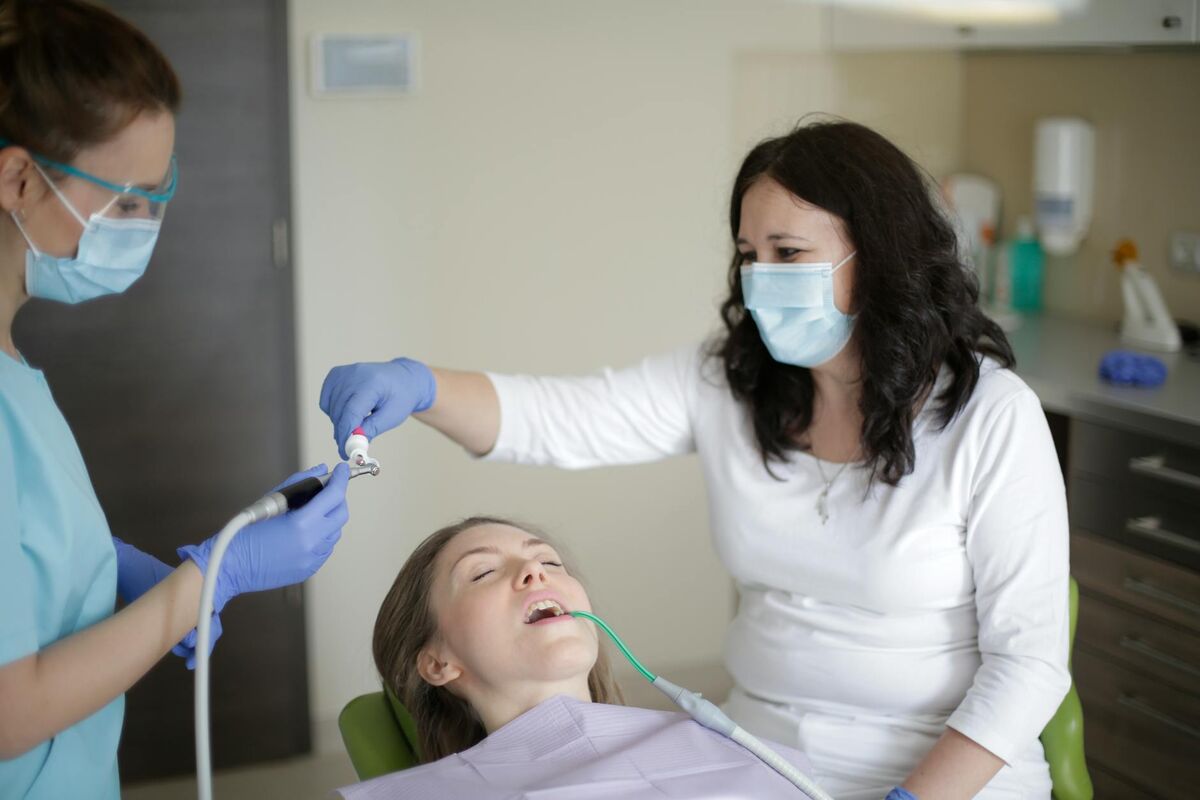
The clinical literature on does xylitol prevent cavities spans roughly five decades, with some of the earliest and most influential work coming from Finland in the 1970s. Here is a balanced look at what that body of evidence shows.
Findings That Support Xylitol's Effectiveness
The landmark Finnish studies from Turku in the early 1970s compared xylitol, fructose, and sucrose consumption over two years and found substantially lower rates of new cavities in the xylitol group. These studies are widely cited and provided the initial scientific foundation for xylitol's dental reputation.
Multiple subsequent randomized controlled trials, particularly those conducted in children in school settings, have found measurable reductions in cavity rates with regular xylitol gum use. A number of systematic reviews and meta-analyses have concluded that xylitol gum cavity prevention is a real and clinically meaningful effect, particularly in higher-risk populations (children, people with active decay, and those with reduced saliva).
Research into mother-to-child transmission of S. mutans is among the more compelling areas of evidence. Studies have shown that when mothers of young infants regularly use xylitol products, the bacterial colonization of their children's mouths is delayed or reduced — suggesting that lowering the maternal bacterial load has downstream effects on the child's cavity risk. This type of research has been replicated across multiple settings and is considered relatively strong evidence.
Effective daily dose: The most commonly cited therapeutic range is 5 to 10 grams of xylitol per day, divided into multiple exposures. Importantly, research consistently shows that frequency matters more than total daily amount. Three to five separate exposures throughout the day (e.g., a piece of gum after each meal and snack) appear to be significantly more effective than consuming the same total amount in one sitting. This makes biological sense: sustained, repeated disruption of bacterial metabolism throughout the day is more disruptive than a single large dose.
Where the Evidence Gets Complicated
The research is not without significant limitations. A 2015 Cochrane systematic review — one of the most rigorous in the field — concluded that the evidence supporting xylitol's caries-preventive effect was of low to moderate quality, citing concerns about study design, conflict of interest (industry funding of early research), and inconsistency across trials. The review called for better-designed, independently funded studies before drawing firm conclusions.
Results also vary significantly between populations. Children in high-caries-risk environments tend to show larger benefits than adults with already-established healthy oral hygiene habits. People with dry mouth (xerostomia) or those undergoing orthodontic treatment or radiation therapy tend to be among the highest responders, in part because their baseline risk is elevated.
It is also worth noting that many trials used xylitol gum as the delivery vehicle, meaning some of the benefit may come from the saliva-stimulating effect of chewing rather than from xylitol itself. Disentangling the two effects is methodologically difficult.
What Xylitol Definitely Does Not Do
Xylitol is not a substitute for brushing and flossing. It does not remove existing plaque mechanically. It does not treat active infections or reverse established cavities. It does not replace fluoride as a remineralizing agent (fluoride's evidence base is substantially stronger). Natural cavity prevention with xylitol works as a complement to, not a replacement for, a solid oral hygiene routine.
Best Ways to Use Xylitol for Dental Health
Not all xylitol delivery methods are created equal when it comes to xylitol benefits for teeth. Here is a breakdown of the main options and how they compare.
Xylitol Gum — The Most Studied and Effective Form
Xylitol gum cavity prevention is by far the most researched delivery method, and for good reason. Chewing gum after meals does double duty: the mechanical act of chewing stimulates substantial saliva flow (saliva production can increase tenfold during chewing), while the xylitol itself exerts its antimicrobial effect on the bacteria in plaque. The prolonged contact time — typically 5 to 20 minutes of chewing — also means the xylitol has extended exposure to the oral environment.
For gum to be effective, it must contain xylitol as the primary or sole sweetener. Gums that list xylitol alongside sorbitol or other sugar alcohols typically contain lower amounts of xylitol and may be less effective. Check labels: a typical effective piece of gum contains approximately 1 to 2 grams of xylitol, meaning you would need to chew 3 to 5 pieces per day, spread throughout the day, to reach the therapeutic 5-gram threshold.
Timing tip: Chew a piece of xylitol gum for about 5 minutes immediately after meals or snacks — this is when acid attacks from dietary sugars are most active.
Xylitol Toothpaste
Xylitol toothpaste benefits are real but more modest than gum-based delivery, primarily because the contact time during brushing is short (typically 2 minutes) and most people spit out the toothpaste rather than retaining it. That said, using a xylitol-containing toothpaste does expose the entire oral cavity to xylitol twice daily, and it layers onto the benefits of whatever other active ingredients (fluoride, hydroxyapatite) the toothpaste contains. It is a useful complement, not a standalone intervention.
Xylitol Mints
Mints dissolve more slowly than gum is chewed, providing meaningful exposure time — roughly comparable to gum if you allow them to dissolve fully rather than crunching them immediately. They are a good option for people who do not like or cannot chew gum (those with jaw joint issues, for example). The same labeling principle applies: look for mints where xylitol is the primary sweetener and confirm the per-mint dose.
Xylitol Powder in Food and Drink
Powdered xylitol can be used as a 1:1 substitute for sugar in cooking, baking, and beverages (note: it does not caramelize like sucrose). While this is a good way to reduce the cavity-promoting effects of dietary sugar — since you are replacing a bacterial food source with something bacteria cannot use — it is the least targeted delivery method for dental purposes. Xylitol dissolved in a cup of tea over 10 minutes does not provide the same kind of focused oral exposure as chewing gum. Use it as a sugar replacement for general diet improvement, but do not count on it as your primary xylitol-for-teeth strategy.
Practical Daily Timing
Based on the research evidence on dosage and frequency, an effective daily routine might look like this: chew two pieces of xylitol gum (or use two mints) after breakfast, two after lunch, and one or two after dinner. This spreads the 5-10 gram dose across the day, maximizes the number of bacterial disruption events, and aligns xylitol exposure with the highest-risk windows for acid attacks. Consistency over weeks and months — not a single use — is what the research suggests drives long-term reduction in harmful bacterial populations.
Potential Downsides of Xylitol
An honest assessment of xylitol requires acknowledging the real drawbacks alongside the benefits.
Digestive issues: Xylitol, like other sugar alcohols, is not fully absorbed in the small intestine. When it reaches the large intestine, gut bacteria ferment it, which can produce gas, bloating, cramping, and diarrhea — particularly at doses above 30-40 grams per day, or in people who are not accustomed to it. Individual tolerance varies considerably. The therapeutic dental dose of 5-10 grams per day is unlikely to cause significant issues for most adults, but it is worth starting gradually if you are new to sugar alcohols.
Dog toxicity — a serious warning: This point deserves emphasis. Xylitol is highly toxic to dogs. It triggers an exaggerated insulin response, leading to severe hypoglycemia, and can also cause acute liver failure. The dose required to cause serious harm is small — a few pieces of gum or a handful of mints can be life-threatening for a medium-sized dog. Keep all xylitol products secured away from pets and be particularly careful with products like peanut butter or baked goods that may contain xylitol as a hidden ingredient.
Cost: Xylitol costs significantly more than sucrose. In bulk powder form, it runs roughly three to five times the price of regular sugar per kilogram. Xylitol gum also tends to be priced at a premium compared to conventional gum. For daily use at therapeutic doses, this is not a trivial expense.
Not suitable for everyone: People with irritable bowel syndrome (IBS) or other conditions that cause heightened sensitivity to fermentable carbohydrates (FODMAPs) may experience more pronounced digestive symptoms even at lower doses. The dental benefits do not automatically outweigh gastrointestinal discomfort in these individuals.
Is Xylitol Worth It? An Evidence-Based Verdict
Based on the current body of research, the honest answer is: yes, with realistic expectations.
The evidence that xylitol meaningfully reduces cavity-causing bacterial activity is solid and biologically plausible. The evidence that regular use — particularly via gum, at the right doses, and with sufficient frequency — translates to fewer cavities in real-world populations is reasonably well supported, though the quality of the research is uneven and more rigorous independently funded trials would strengthen the case considerably.
Where xylitol shines most clearly is in high-risk scenarios: children in high-caries environments, people with dry mouth, individuals undergoing orthodontic treatment, and — perhaps most interestingly — mothers of very young children where reducing maternal bacterial load may protect the infant's developing dentition.
For a healthy adult with good oral hygiene, established twice-daily brushing with fluoride toothpaste, and regular dental checkups, the marginal benefit of adding xylitol is real but smaller. It is a useful tool in the oral health toolkit — not a revolution.
The xylitol vs sugar dental health comparison is essentially no contest: from a dental biology perspective, replacing sugar with xylitol as your primary sweetener removes a key substrate for acid-producing bacteria while adding a metabolic disruptor. If you are choosing between the two for a regular habit like after-meal gum, xylitol is the clear choice.
Key Takeaways
Xylitol is one of the more evidence-backed natural cavity prevention tools available without a prescription. Its mechanism is well understood, its safety at normal doses is established, and the research supporting its dental benefits — while imperfect — is genuinely meaningful.
Use it consistently, in the right form (gum or mints after meals), at a dose of roughly 5-10 grams per day spread across multiple exposures. Treat it as part of a complete oral hygiene routine — not a replacement for brushing, flossing, or professional dental care. Be aware of the digestive side effects at higher doses, and if you have pets, treat xylitol with the same caution you would give any household chemical.
The hype around xylitol is, for once, at least partially deserved. The science supports its use. Just don't expect miracles — expect a meaningful, evidence-based reduction in one of the key drivers of tooth decay, as part of a broader commitment to oral health.