Apparel & Accessories
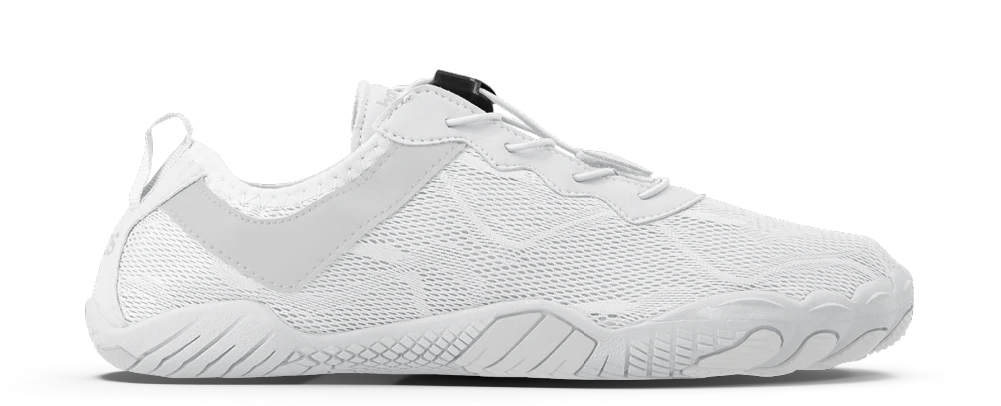
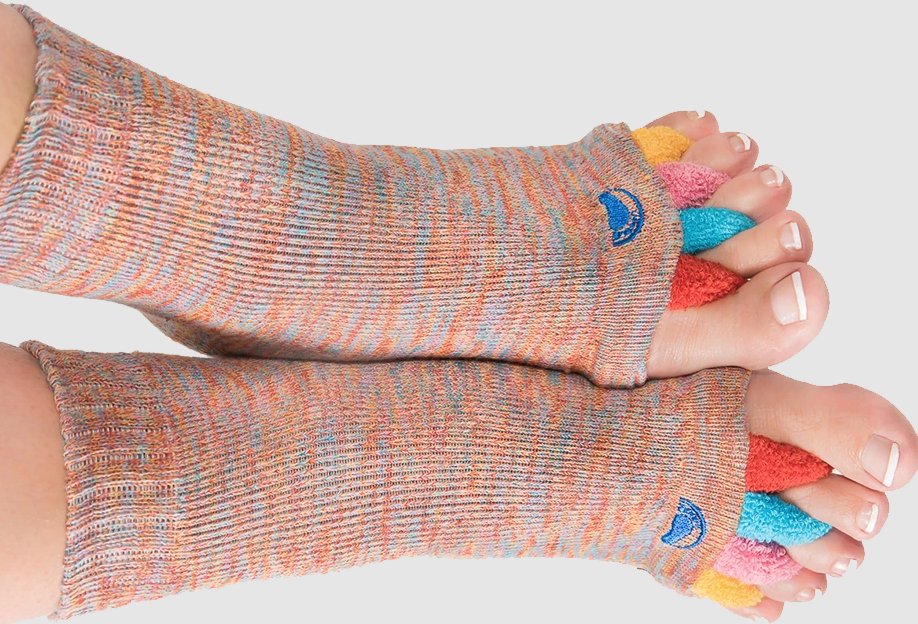
Browse our Apparel & Accessories collection — 2 products featuring trending releases.
For hands-on testing notes and verdicts on individual products, browse our product review blog. Use the grid below to jump straight to a product page.
What to look for in apparel and accessories products
The foundation of a smart apparel or accessory purchase rests on material composition and construction quality. Examine fiber content carefully—natural fibers like cotton, wool, and linen offer breathability and durability, while synthetics provide stretch and easy care. Pay close attention to seam construction and stitching density; products with reinforced seams at stress points last significantly longer. Weight and thickness matter too: heavier doesn't always mean better, but it often indicates denser fabric that resists pilling and wear. For fitted items, look at the fit model and whether sizing runs true to standard measurements. Consider the intended use case—a product designed for daily wear has different requirements than one for occasional use or specialized activities. Closure mechanisms, whether buttons, zippers, or elastic, should feel secure and smooth. Don't overlook finishing details like hemming quality and hem tape, which prevent fraying and extend garment life. Finally, check care requirements against your lifestyle; products demanding hand-washing or dry-cleaning create ongoing costs and friction that merit factoring into your initial decision.
Common mistakes when buying apparel and accessories products
Many buyers fixate on price without calculating true cost-per-wear, leading to purchases of poorly made items that deteriorate quickly. Another common trap is assuming that premium pricing guarantees quality; some brands charge inflated prices for marketing rather than superior construction or materials. Ignoring fit is surprisingly prevalent—people buy items based on style alone, then never wear them because they're uncomfortable or unflattering. There's also a tendency to underestimate the importance of fabric care; selecting items with demanding maintenance requirements often results in improper care and premature degradation. Buyers frequently overlook sizing inconsistencies across product lines or between different manufacturers, leading to returns and frustration. Many also fall for marketing claims about stretch, durability, or special properties without considering practical longevity. Finally, purchasing without understanding the specific use case often backfires; a product excellent for one situation may be wholly unsuitable for another. Taking time to honestly assess your actual lifestyle and comparing multiple options before purchase prevents costly mistakes and buyer's remorse that plague impulsive decisions in this category.
Who needs apparel and accessories products (and who doesn't)
Anyone maintaining a basic wardrobe benefits from thoughtfully selected apparel fundamentals—quality basics form the foundation of functional dressing. People with specific physical needs or sensitivities, such as those requiring moisture-wicking properties or chemical-free materials, often find significant value in specialized products. Active individuals engaged in sports or outdoor pursuits typically need accessories designed for performance and durability. However, not everyone requires constant new acquisitions; those with stable wardrobes and minimal lifestyle changes may find existing products perfectly adequate. People on severely limited budgets might reasonably prioritize repair and maintenance over new purchases. Additionally, individuals with highly variable body types or life circumstances may find frequent repurchasing inevitable regardless of product quality. Minimalists consciously avoiding consumption don't need frequent apparel updates. Office workers in professional environments benefit more from structured, durable pieces than those in casual settings. Similarly, someone working from home has different requirements than someone with daily client-facing responsibilities. The key distinction lies in whether a product genuinely addresses a real gap or need in your life, rather than creating unnecessary consumption habits. Honest self-assessment about actual usage patterns prevents wasteful purchases.
Questions worth asking before buying an apparel or accessories product
First, ask whether this product fills a genuine gap in your wardrobe or lifestyle, or if you're simply attracted to it aesthetically. Many purchases represent wants rather than needs, and distinguishing between them prevents accumulation of underused items. Second, determine your realistic usage frequency and calculate cost-per-wear honestly; an expensive quality item worn hundreds of times costs less per use than a cheap item worn twice. Third, investigate the actual care requirements in detail and assess whether they fit your household routines—a garment requiring hand-washing has hidden ongoing costs. Fourth, research how the product performs in your specific climate and use case rather than relying on general descriptions. If it's marketed for a particular purpose, verify whether independent users report success in similar situations. Fifth, consider whether sizing and fit options are adequate for your body type, since apparel fit problems rarely improve with wear. Finally, check return policies and shipping costs, as these affect your ability to correct sizing mistakes or quality issues after purchase. These questions take minutes but prevent expensive mistakes and ensure purchases genuinely serve your life rather than cluttering it.