Home & Garden
Browse our Home & Garden collection — 16 products featuring trending releases.
For hands-on testing notes and verdicts on individual products, browse our product review blog. Use the grid below to jump straight to a product page.
What to look for in a Home & Garden product
Home and garden products live in demanding environments where durability and practical design matter far more than aspirational features. Start by evaluating material quality—whether something is weatherproof, rust-resistant, or designed to withstand temperature swings depends entirely on how and where you'll use it. Consider the maintenance burden honestly. A beautiful product that requires constant upkeep or specialized care becomes a chore rather than a solution. Water resistance and drainage design are often overlooked but critical for anything exposed to moisture. Pay attention to size and scale relative to your actual space; oversized products that overwhelm a room or undersized ones that can't handle your volume are common regrets. Look for reversible or multi-functional designs that add flexibility without taking up additional space. Ergonomics matter more here than in most categories—if a product causes strain or awkward positioning during regular use, you'll resent it quickly. Finally, examine how components connect and whether replacements are available, since many garden and home products have wear-prone parts that shouldn't require replacing the entire unit.
Common mistakes when buying Home & Garden products
The biggest mistake is buying based on aesthetic appeal alone without testing functionality in your actual environment. A product might look perfect in marketing photos but fail in your lighting, humidity level, or usage pattern. Many buyers underestimate how much space things actually occupy—dimensions on paper don't translate intuitively until the item arrives. Another frequent error is choosing premium products for occasional use. High-end options make sense for daily tasks, but if you'll use something twice a year, mid-range durability often suffices. People also overlook installation and setup complexity, discovering too late that assembly requires tools, electrical work, or professional help they didn't budget for. Ignoring reviews that mention specific climate or maintenance challenges is costly, especially when seasonal factors matter. Finally, many buyers fixate on single features while ignoring glaring omissions—prioritizing one selling point without considering whether the product actually solves their core problem. It's worth stepping back and asking whether you're solving a real need or just filling a gap because a product exists.
Who needs a Home & Garden product (and who doesn't)
Home and garden products genuinely benefit people managing specific, recurring challenges—those with frequent houseguests, people who spend significant time outdoors, anyone with accessibility needs, or those dealing with genuine maintenance headaches. If your living situation is temporary or you're uncertain about your setup long-term, lightweight or rental-friendly solutions make more sense than permanent investments. Renters should think carefully about whether something requires installation or modifications; what works beautifully for homeowners can create friction if you're answerable to a landlord. Some people thrive with organized systems and intentional tools; others function fine with basic, universal solutions and don't gain value from specialized products. Those with minimal time, energy, or interest in optimization often find these products underwhelming compared to their cost. Similarly, if you're already satisfied with a working system, an upgrade product probably isn't necessary just because it exists. Be honest about your actual habits versus aspirational ones—products designed for regular use won't justify their expense if they sit unused because they don't match your real lifestyle. The right buyer recognizes a genuine gap and commits to actually closing it.
Questions worth asking before buying a Home & Garden product
First, ask what problem this specifically solves that your current approach doesn't. If the honest answer is convenience rather than necessity, weigh whether that convenience justifies the cost and space. Second, will this integrate with what you already own, or does it require replacing compatible items? Third, what's the realistic maintenance and cleaning requirement, and do you actually enjoy or tolerate that kind of upkeep? People underestimate how much ongoing care influences satisfaction. Fourth, how will this perform in your actual climate, season, and use pattern rather than ideal conditions? A product rated for certain environments might disappoint if your situation differs meaningfully. Finally, what happens when it breaks or underperforms—is there a return window, are parts available, and is there customer support you can actually reach? Home and garden purchases often involve spending significant money on items that experience real wear, so understanding the safety net matters. These questions aren't pessimistic; they're realistic filtering to ensure you buy products that solve actual problems within your constraints rather than appealing ones that sound good in theory.
Featured Home & Garden Products
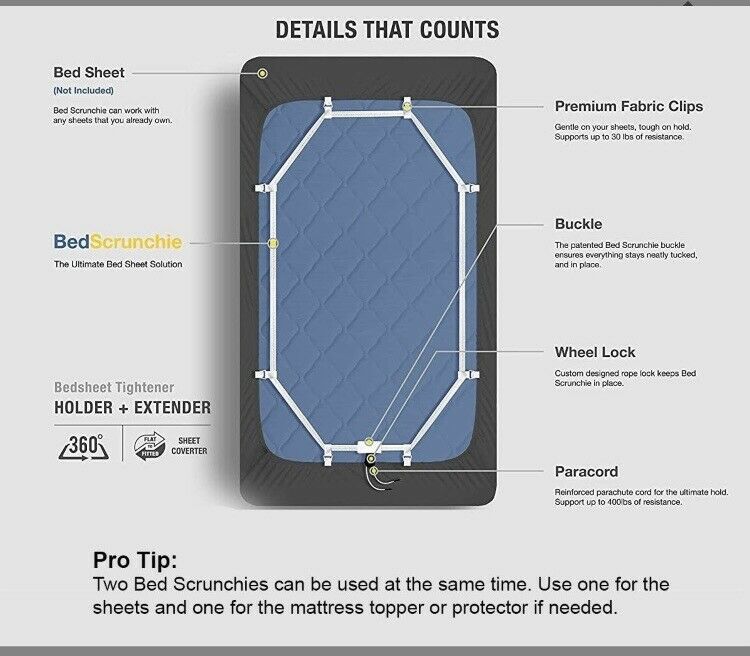 Bed Scrunchie$49.99
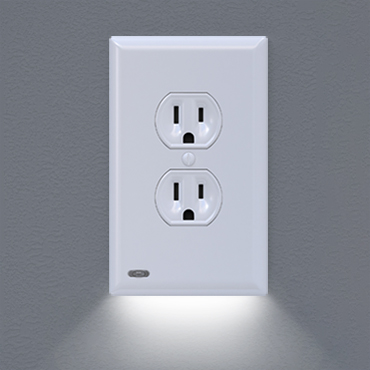 GuideLight$24.99
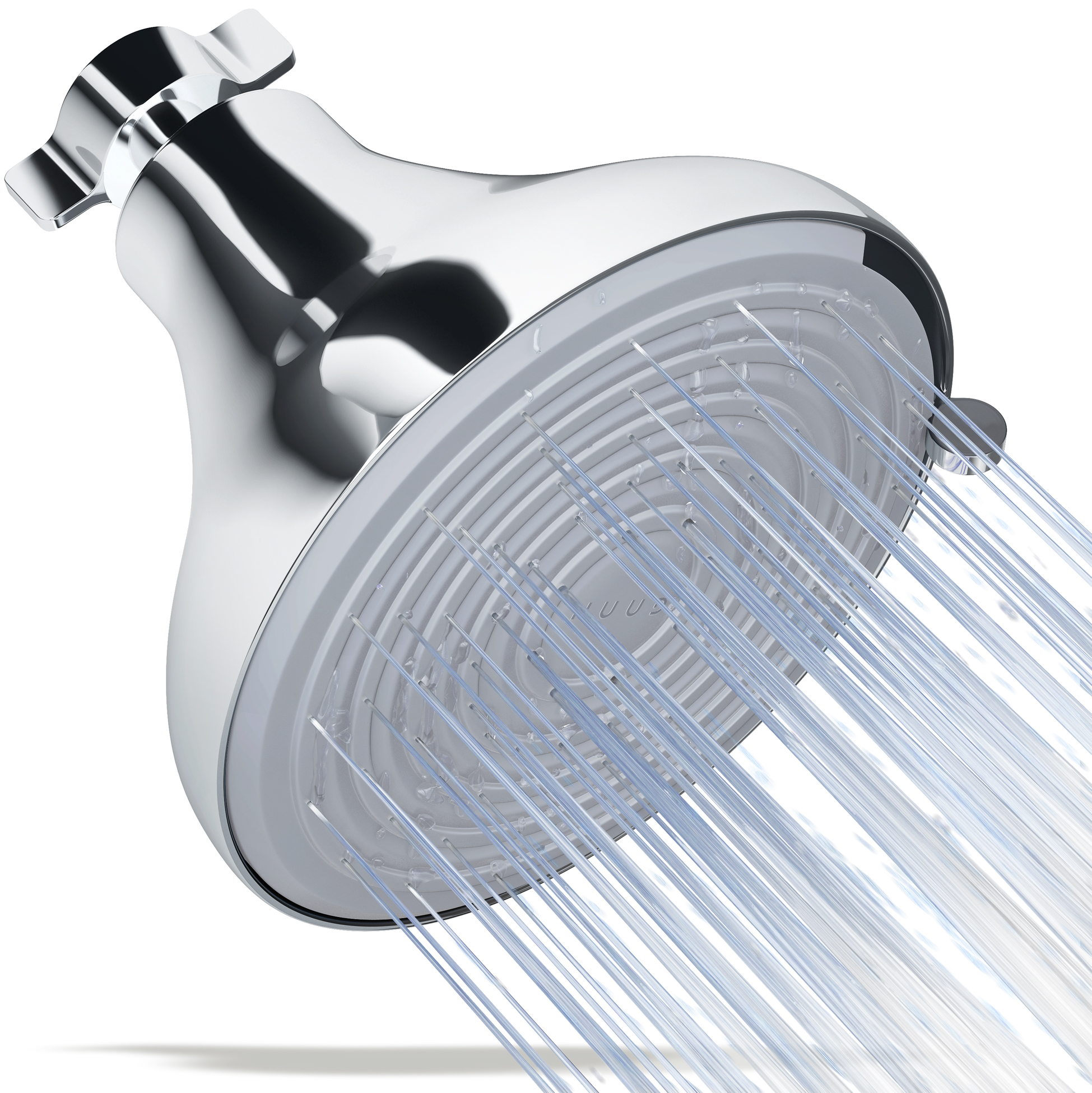 NUUD Showerhead$89.99
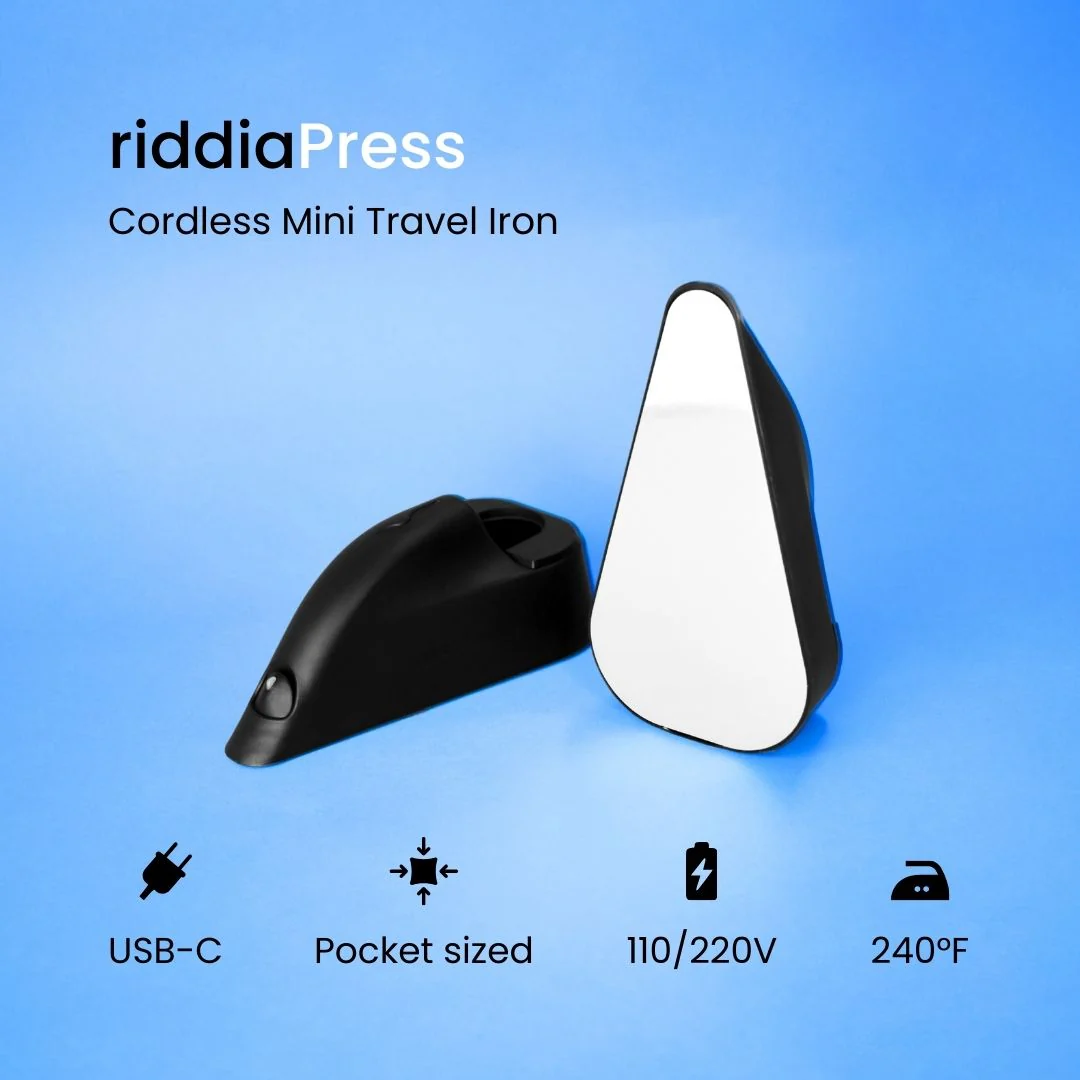 riddiaPress
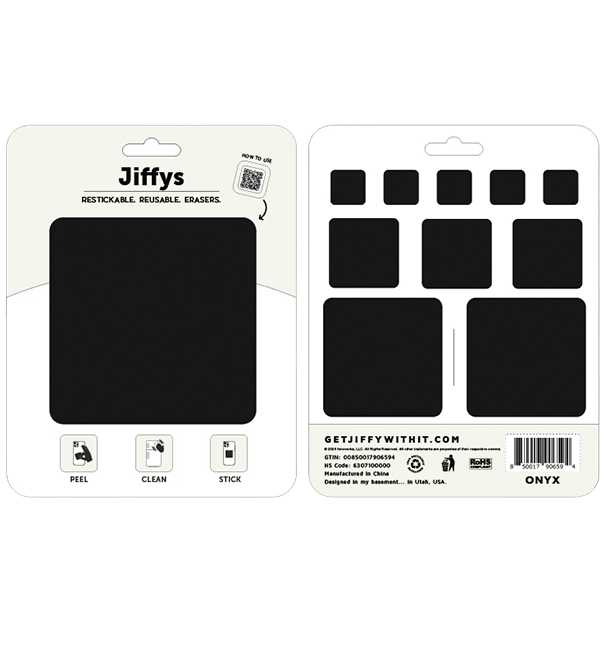 Jiffys$29.99
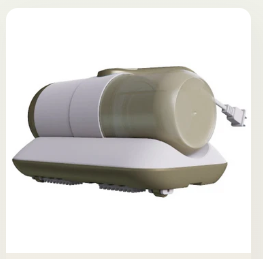 Dream Vac$99.99
 Aroma Amplifier$59.99
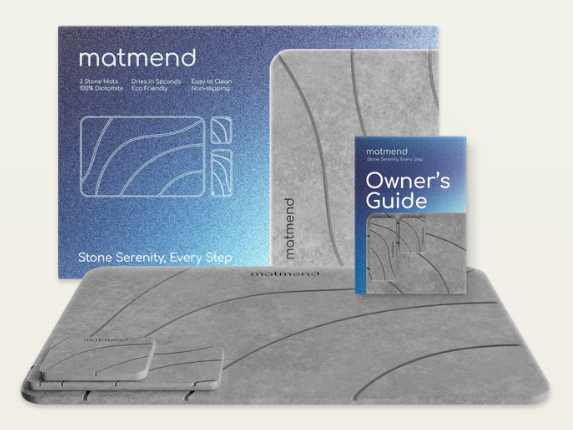 Mat Mend$49.99
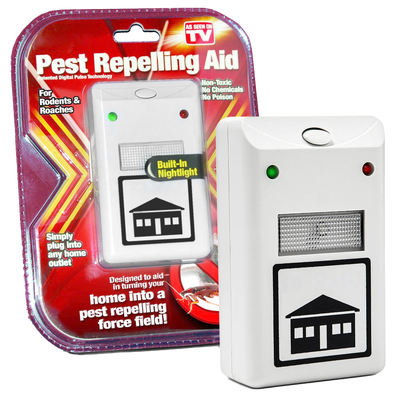 Riddex$34.99
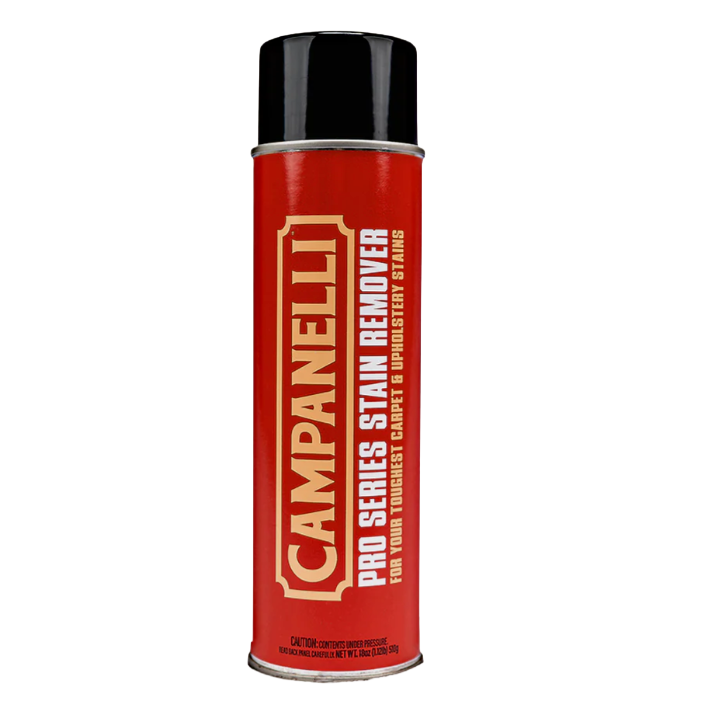 Campanelli Pro Series Stain Remover$24.99
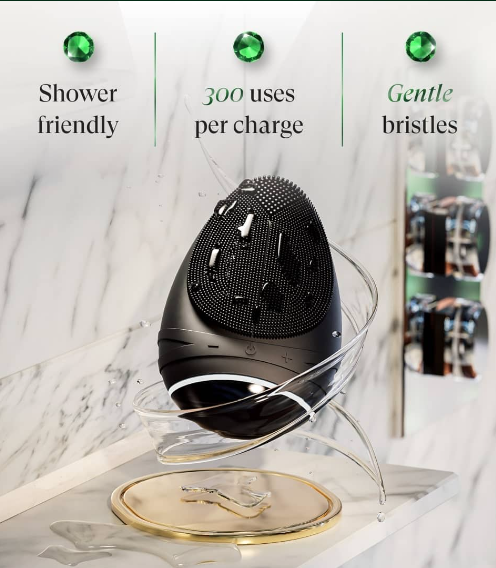 Douxds - Flex$69.99
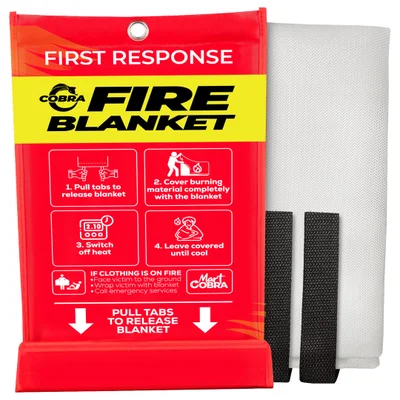 Cobra Fire Blanket$29.99
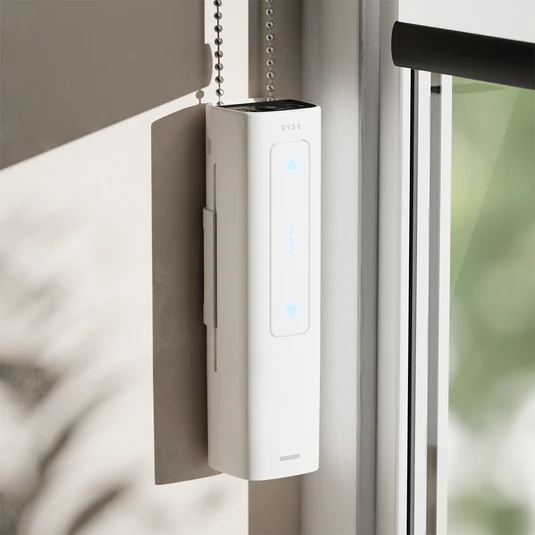 RYSE SmartShade$199.99
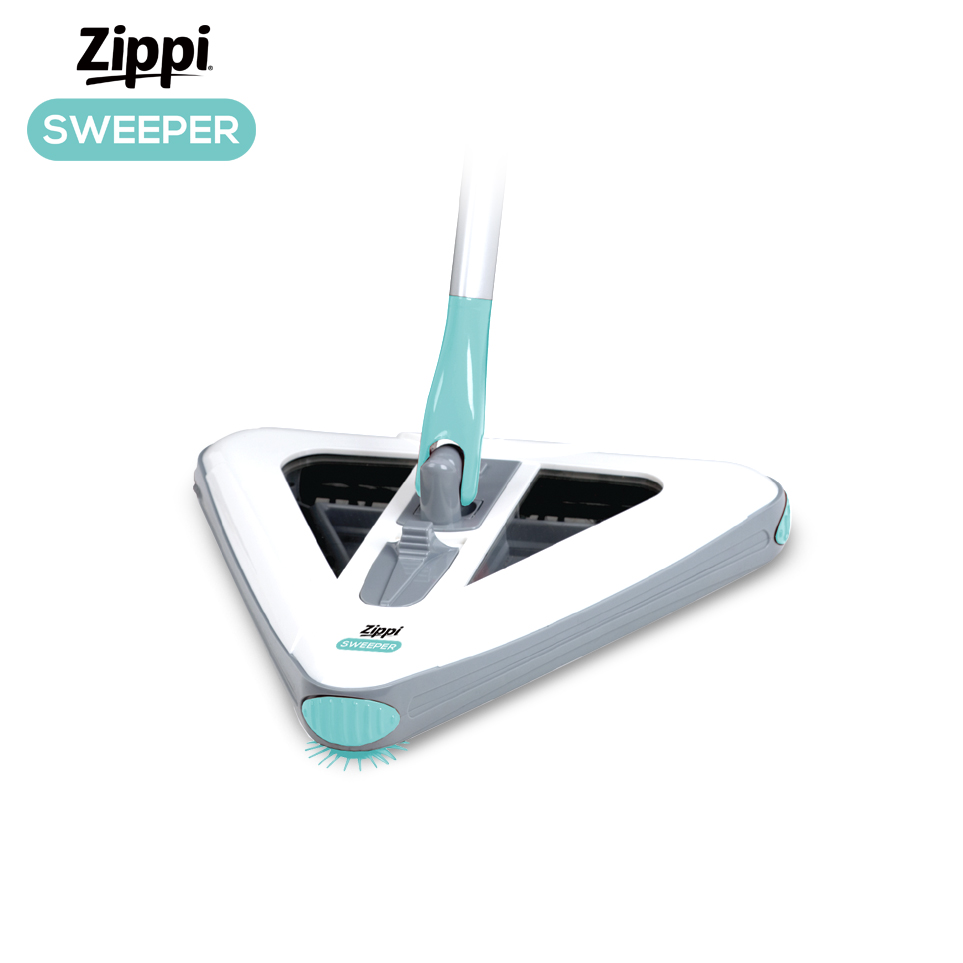 Zippi Sweeper$79.99
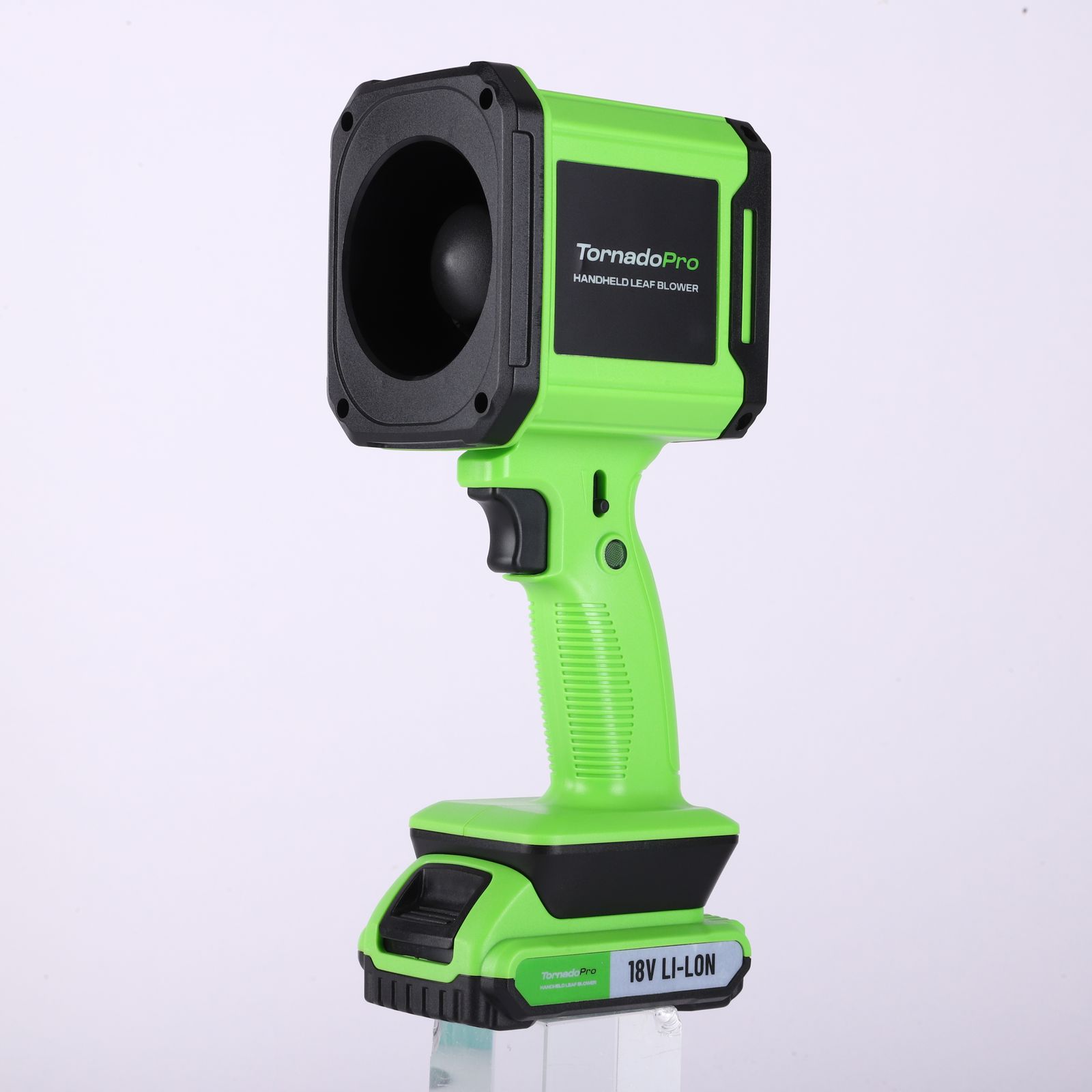 TornadoPro Handheld Leaf Blower$79.99
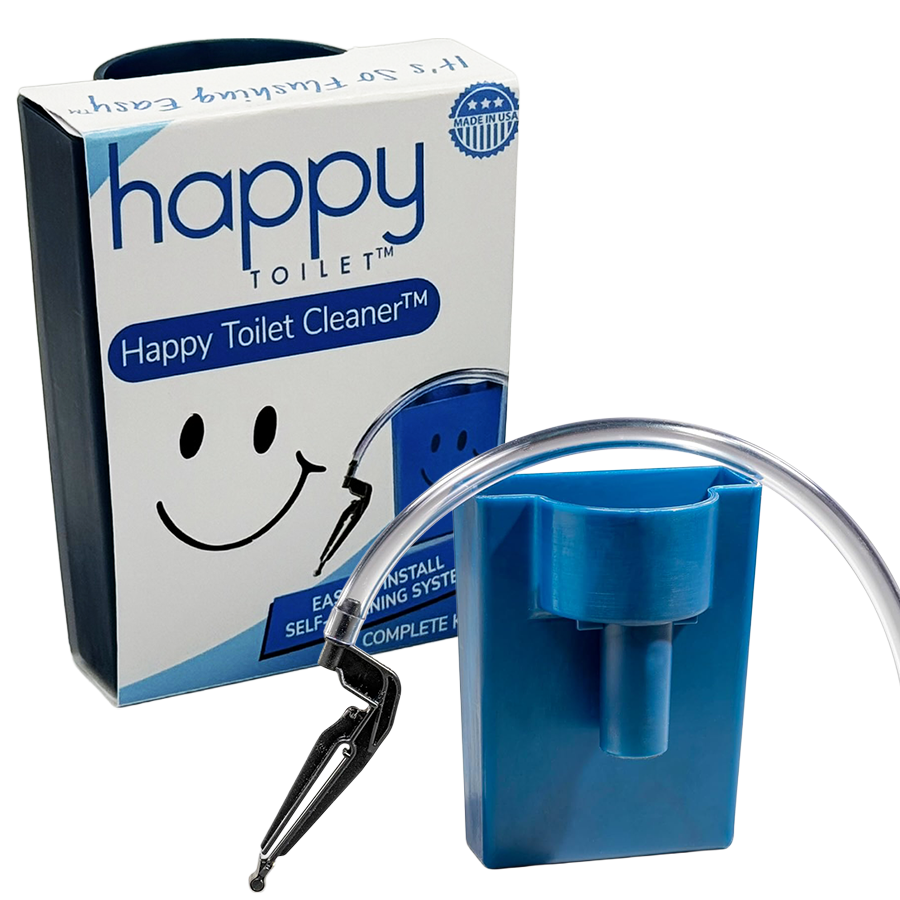 Happy Toilet Cleaner$24.99