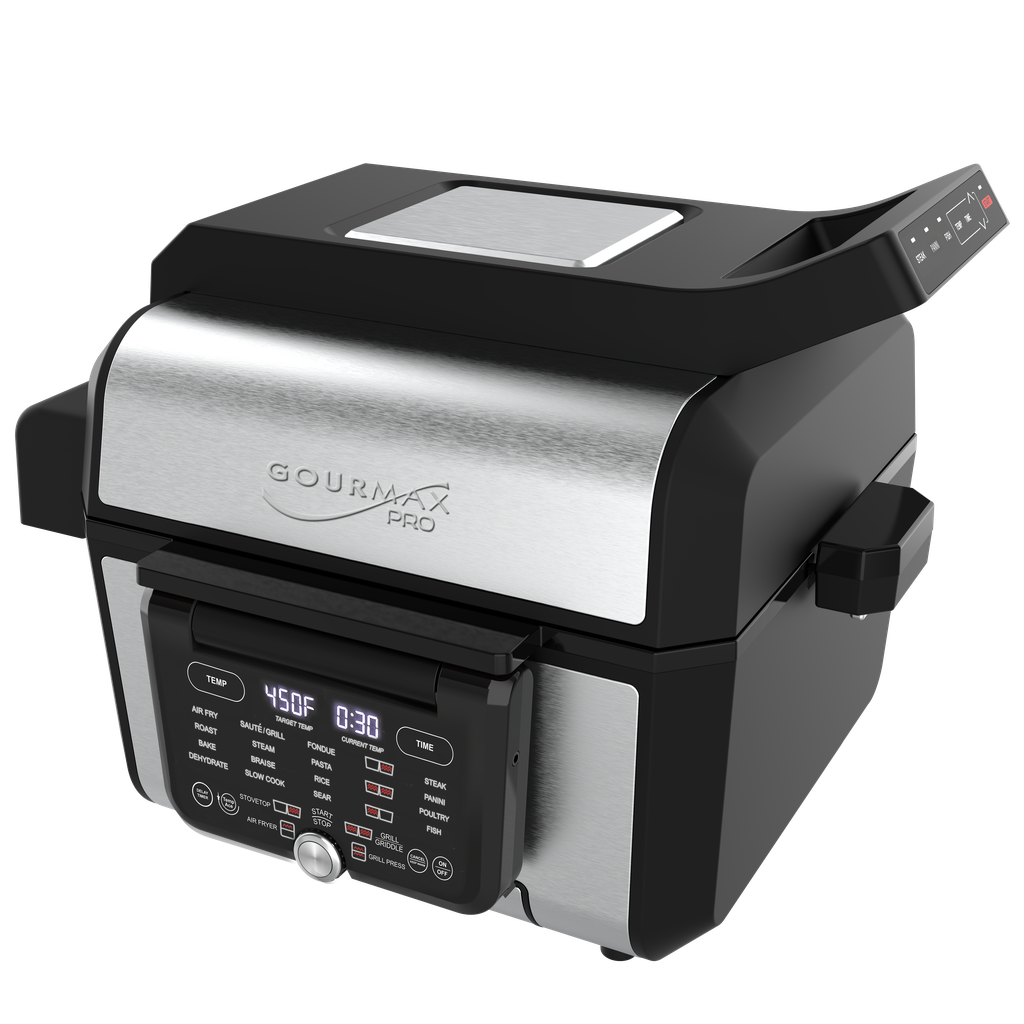
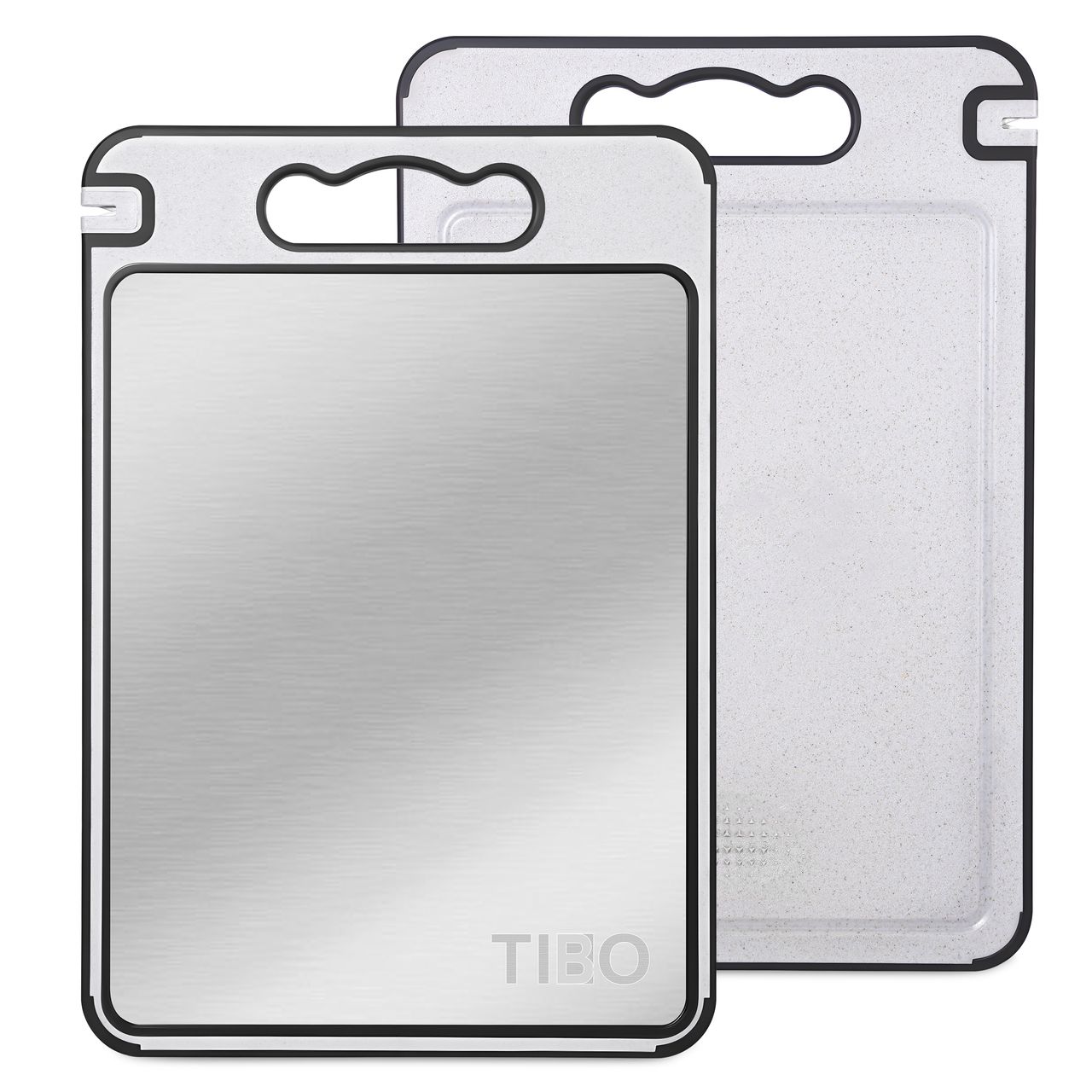
Kitchen & Dining
Browse our Kitchen & Dining collection — 5 products featuring trending releases.
For hands-on testing notes and verdicts on individual products, browse our product review blog. Use the grid below to jump straight to a product page.
What to look for in a Kitchen & Dining product
The best kitchen and dining products balance functionality with durability—and crucially, they earn their counter or cabinet space through genuine daily utility. Start by assessing material quality: items that contact food or heat repeatedly need to withstand repeated use without degrading, staining, or leaching unwanted compounds. Weight and heft often signal longevity; genuinely useful kitchen tools have substance. Consider ergonomics seriously—awkward handles or unintuitive designs create friction every single time you use the product, compounding into genuine frustration. Ease of cleaning matters more than marketing suggests; products that trap moisture, have crevices, or require special techniques become abandoned quickly. Look for versatility too: can the product serve multiple purposes, or does it do one narrow thing? Storage requirements are practical considerations often overlooked—if a product demands dedicated drawer or cabinet real estate, that's an ongoing cost. Finally, assess the learning curve. Some products require technique or adjustment time; others work intuitively. Neither is inherently wrong, but the investment in mastering something should match your realistic commitment level and cooking habits.
Common mistakes when buying Kitchen & Dining products
One pervasive error is conflating trendy design with practical design. Instagram-worthy aesthetics matter less than whether you'll actually reach for the item regularly. Related: buying premium-tier products when mid-range options deliver identical core functionality. Kitchen products often carry premium pricing based on brand heritage or aesthetic minimalism rather than measurable performance gains. Another trap is underestimating your own standards. If you rarely cook from scratch, buying professional-grade tools wastes money and creates guilt. Conversely, bargain basement options sometimes fail so spectacularly that replacement costs exceed what you'd spend on something reliable initially. Many buyers also ignore maintenance requirements buried in fine print—products requiring hand-washing, special oils, or careful storage become liabilities rather than conveniences. There's also the "just in case" fallacy: purchasing niche items for hypothetical scenarios you rarely encounter. Finally, overlooking return policies or warranty terms is risky; kitchen products are often purchased without hands-on trial, so flexible return windows matter significantly more than with most categories.
Who needs a Kitchen & Dining product (and who doesn't)
Kitchen and dining products genuinely benefit people whose lifestyle demands align with the product's core purpose. Someone who cooks multiple meals weekly will gain sustained value from quality preparation tools in ways a takeout-dependent person simply won't. The calculus shifts entirely based on household size, cooking frequency, and entertainment habits. A person hosting regular dinner gatherings has different needs than someone dining primarily alone. Living situation matters too—apartment dwellers with minimal storage space should ruthlessly evaluate whether a specialty item justifies physical footprint, while someone with spacious kitchens can afford more indulgence. Skill level and ambition matter: enthusiasts extracting themselves from their cooking habits will find value in tools supporting experimentation; someone content with routine meal patterns won't. Budget and consumption patterns are equally critical. If you replace kitchen items frequently because they break or become outdated, investing heavily doesn't make sense. Conversely, people who keep tools for decades should prioritize quality and timelessness. Honestly assess whether you're buying aspirationally—imagining a version of yourself who entertains lavishly or cooks professionally—versus buying for your actual, current life.
Questions worth asking before buying a Kitchen & Dining product
First: Does this solve an actual problem I currently face, or am I buying for a theoretical future self? Aspirational purchases feel good momentarily but accumulate as expensive clutter. Second: Will I use this at least weekly, or would it sit dormant? Products earning their space through regular use pay dividends; occasional-use items usually don't justify the investment. Third: How will I clean and store this realistically? If honest answers reveal it requires hand-washing in an awkward sink or demands shelf space you don't have, friction during ownership will breed regret. Fourth: What's the actual lifespan claim, and how does that compare to my realistic replacement timeline? Some products cost less but require replacement every few years; others cost more but last decades. Calculate true cost-per-use. Fifth: Are there cheaper alternatives that deliver the core benefit without premium pricing? Sometimes you're paying for brand reputation or aesthetics rather than demonstrable performance differences. Finally: What's the return policy if this disappoints me in practice? Kitchen products often perform differently in real kitchens than in reviews or demonstrations, so flexibility matters.