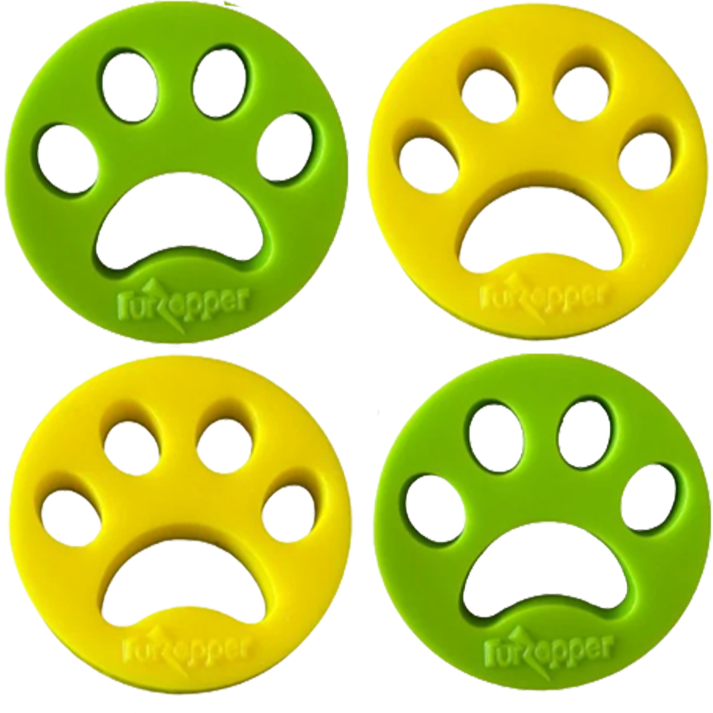
Pets
Browse our Pets collection — 1 product featuring trending releases.
For hands-on testing notes and verdicts on individual products, browse our product review blog. Use the grid below to jump straight to a product page.
What to look for in a Pets product
When evaluating pet products, start with material safety and durability. Pet items endure constant contact, chewing, scratching, and outdoor exposure, so construction quality directly impacts longevity and your pet's health. Look for non-toxic materials, especially for anything your pet ingests or chews regularly. Consider the size and breed appropriateness—a product designed for small dogs may be inadequate or unsafe for large breeds. Comfort is critical; products that cause irritation or restrict movement create behavioral issues. Ease of cleaning matters more than most buyers anticipate, since sanitation directly affects your pet's health. Pay attention to design features that match your pet's specific needs: Does your cat need vertical space? Does your dog require joint support? Manufacturing transparency helps too—products made by companies with clear sourcing and testing standards tend to perform better and last longer. Finally, consider replacement and maintenance costs alongside the initial purchase price. The cheapest option often requires frequent replacement, making it more expensive over time.
Common mistakes when buying Pets products
Pet owners frequently prioritize aesthetics over functionality, buying products that look good in their homes but don't actually serve their animals' needs. Another common error is assuming bigger or more expensive automatically means better—premium pricing often reflects branding rather than superior performance or safety. Many buyers ignore their specific pet's characteristics, purchasing a one-size-fits-all product when their animal requires specialized solutions. Pet owners also underestimate the importance of trial periods and return policies, committing to products their pets actively reject. Falling for marketing claims without verification is prevalent; terms like 'natural,' 'eco-friendly,' or 'veterinarian-recommended' lack standardized meaning and often obscure mediocre products. Buyers frequently overlook maintenance requirements, discovering too late that a product demands time-intensive cleaning or specialized care they're unwilling to provide. Finally, many skip reading actual user feedback from owners with similar pets in similar situations, instead relying on manufacturer descriptions. This gap between marketing and reality accounts for significant buyer regret in the pet product space.
Who needs a Pets product (and who doesn't)
Pet product utility varies dramatically based on individual circumstances. Working professionals with limited time might desperately need certain convenience-focused products, while stay-at-home pet owners may find the same items unnecessary. Pet age and health status matter enormously—senior pets or those with medical conditions benefit from specialized products that younger, healthy animals don't require. Housing type influences need significantly; apartment dwellers may require solutions that house owners don't, and vice versa. Your pet's temperament and behavior patterns determine actual relevance. A destructive chewer will find certain products essential, while a calm pet may never need them. Social pet owners who frequently leave their animals alone have different priorities than those whose pets stay home regularly. Budget constraints are honest considerations too—some pet products enhance quality of life but aren't essential. The key is resisting pressure to buy everything available. Many pet owners accumulate unused products marketed as must-haves. Assess whether a product solves an actual problem your pet experiences or genuinely improves their wellbeing. If it's purely aspirational or addresses a non-issue, skip it regardless of positive reviews from pets with different needs.
Questions worth asking before buying a Pets product
First, ask yourself: Does my specific pet actually need this, or am I solving a problem I think exists? Pet owners often project human preferences onto animals. Second: Can my pet physically use this comfortably? Size, age, and mobility limitations matter. A product might work theoretically but prove painful or inaccessible for your individual animal. Third: How will I realistically maintain this? If thorough daily cleaning feels overwhelming, a high-maintenance product will end up unused and wasted. Fourth: What happens if my pet rejects it? Understanding return policies and whether you can resell or repurpose the item matters before investing significantly. Finally, ask whether the price reflects genuine functionality or primarily brand prestige. Compare across options honestly—sometimes a simpler, cheaper alternative works identically. Also consider: Does this solve a temporary phase or a permanent need? Puppies and kittens have developmental stages; products suited for these phases become obsolete quickly. Understanding whether you're addressing a lasting behavioral or physical need versus a temporary situation prevents overinvestment. These questions, answered honestly before purchase, dramatically reduce buyer's remorse and help you make choices that genuinely serve your pet's wellbeing rather than marketing narratives.