Travel & Outdoors
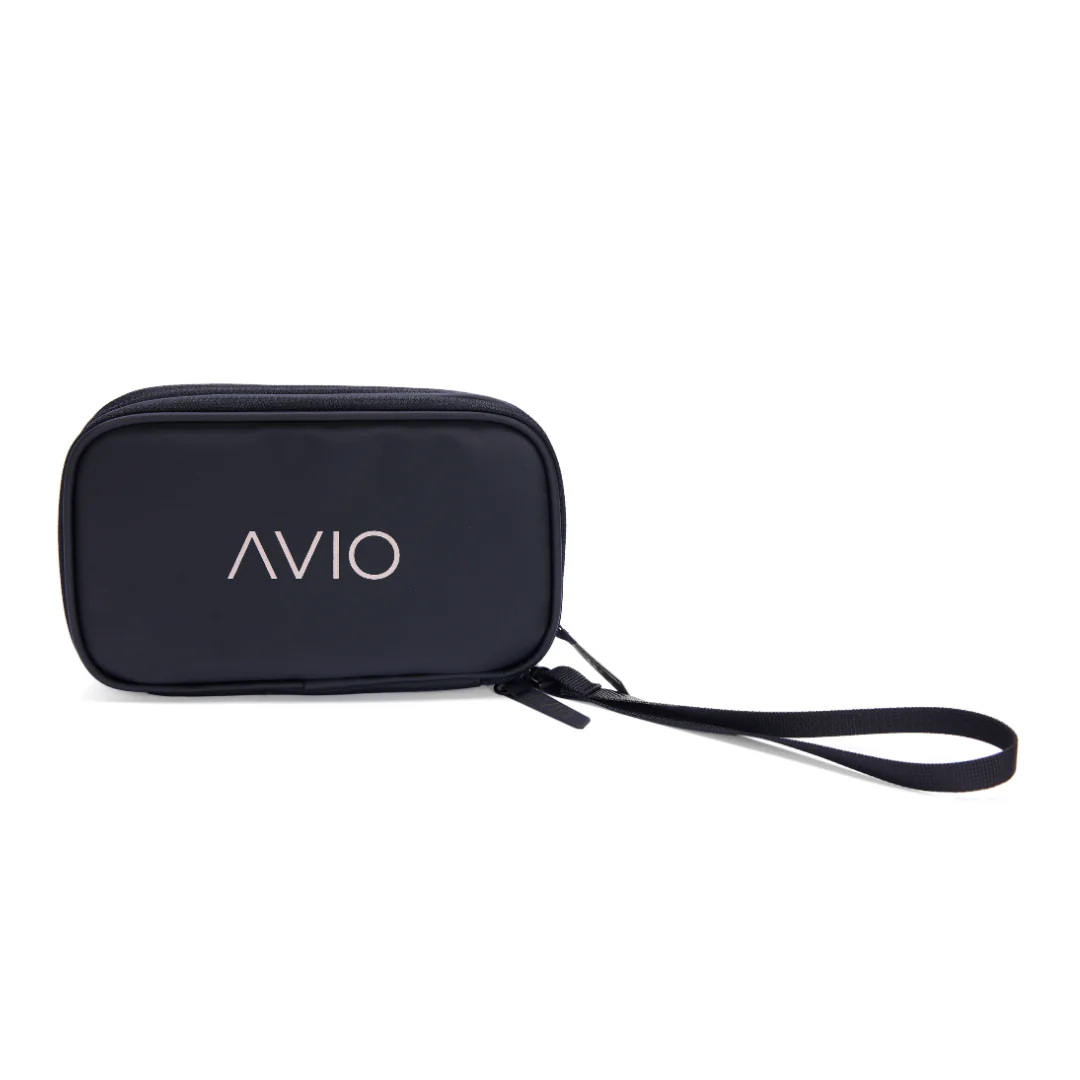
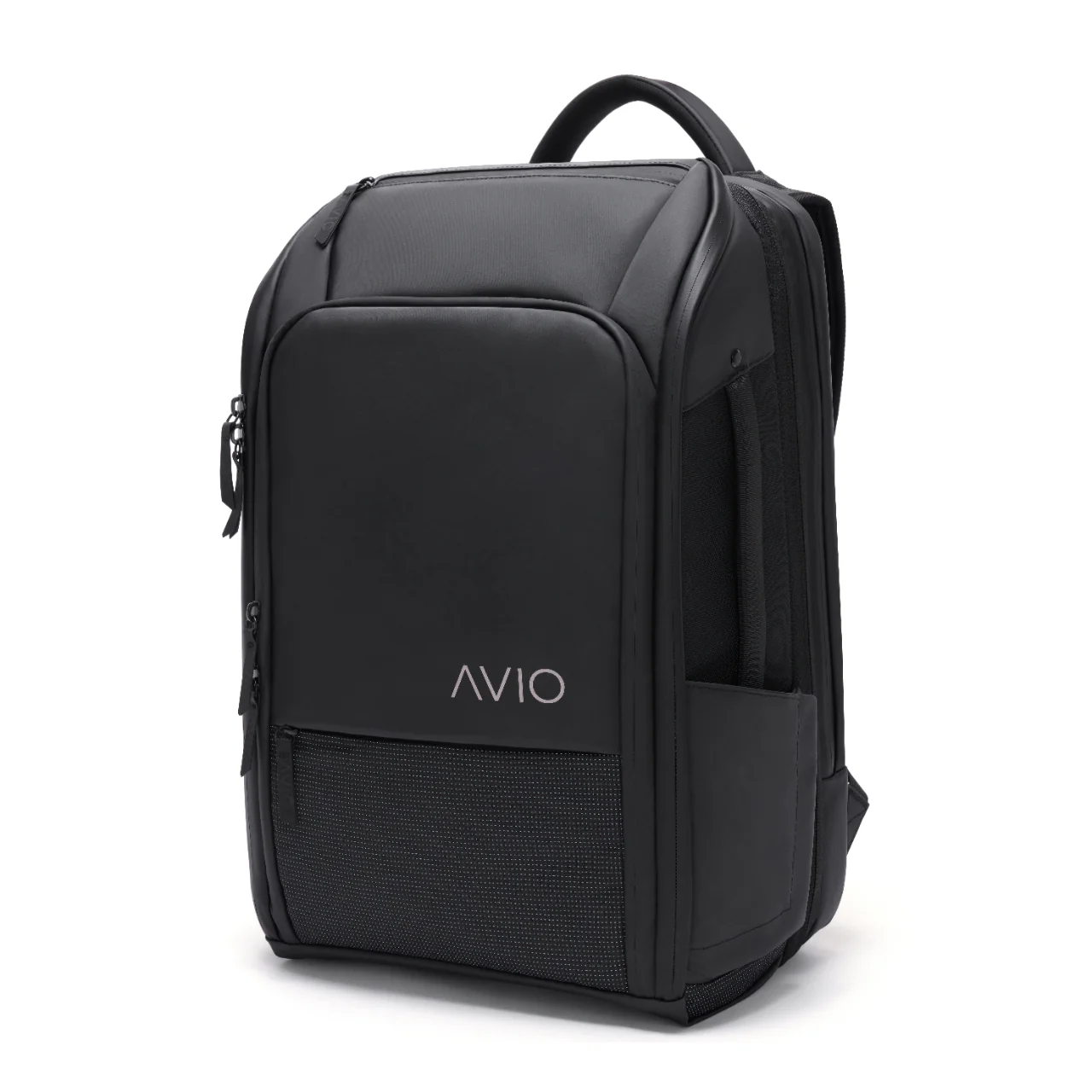
Browse our Travel & Outdoors collection — 3 products featuring trending releases.
For hands-on testing notes and verdicts on individual products, browse our product review blog. Use the grid below to jump straight to a product page.
What to look for in a Travel & Outdoors product
The best travel and outdoor gear balances weight, durability, and functionality without sacrificing practicality. Start by examining materials: look for ripstop nylon, ballistic fabrics, or reinforced mesh that withstand repeated packing, airport handling, and rough terrain. Weight matters immensely—every ounce adds up over long trips or hikes, but ultra-lightweight often comes at the cost of durability. Compartmentalization is surprisingly important; disorganized packing wastes space and frustrates users mid-journey. Consider strap design and load distribution, particularly if you'll carry the product for extended periods. Weatherproofing should match your actual travel environment—a weekend city trip requires less protection than backcountry camping. Zippers deserve scrutiny; premium hardware resists jamming and corrosion. Finally, evaluate warranty and repair policies. Travel gear endures real punishment, and products backed by strong guarantees and accessible replacement parts provide genuine peace of mind. Don't conflate brand prestige with quality; many excellent options exist outside premium lineups. Test fit and feel if possible—ergonomics are personal and can't be fully evaluated from specifications alone.
Common mistakes when buying Travel & Outdoors products
Travelers frequently overestimate capacity needs, selecting oversized gear they'll never fill. This wastes money and creates awkward situations where loose items shift during transit. Another trap is chasing features marketed as essential but rarely useful for your actual trips—premium weatherproofing for occasional sunshine vacations, specialized compartments you'll never organize properly, or excessive organizational pockets that complicate access. Many buyers ignore real-world weight and focus only on listed specs, then struggle carrying seemingly manageable gear across airports or trails. Material choices often disappoint; shiny synthetics wear poorly under stress, while premium leather requires maintenance many travelers won't maintain. Price anchoring is real—paying premium rates for designer appeal rather than practical advantages. Finally, buyers overlook compatibility issues: a stylish weekender that doesn't fit in overhead bins, straps misaligned for proper loading, or drainage systems that create pooling water rather than shedding it. Read user experiences honestly, particularly negative reviews highlighting actual breakage points or design oversights. Your travel style and destination matter far more than marketing narratives or aesthetic preference.
Who needs a Travel & Outdoors product (and who doesn't)
Dedicated travel enthusiasts, outdoor adventurers, and frequent business travelers benefit significantly from quality gear engineered for their lifestyle. People undertaking extended trips, rough terrain, or unpredictable weather genuinely need products designed with durability and functionality as priorities. Digital nomads, weekend hikers, and serious photographers benefit from smart organization and weatherproofing. However, casual vacationers taking annual trips don't necessarily require premium travel-specific products; luggage used once yearly, basic daypacks for occasional outings, and standard equipment serve adequately. Urban commuters and weekend city explorers might discover travel gear genuinely useful, but mid-range general-purpose options often suffice. Budget-conscious travelers, particularly students or those with limited trip frequency, may find excellent value in simpler alternatives. The key distinction isn't enthusiasm but commitment—how often you travel, what conditions you encounter, and whether gear failures genuinely impact your plans. Someone spending two weeks annually in controlled destinations differs fundamentally from someone traveling monthly in variable climates. Honest assessment of your actual usage frequency prevents overspending. Rental or borrowing remains sensible for specialized gear used rarely. Don't let marketing suggest everyone needs identical solutions; travel needs vary considerably by destination, duration, and personal preference.
Questions worth asking before buying a Travel & Outdoors product
First, ask honestly: how frequently will I actually use this? Monthly use justifies different investment levels than annual trips. Second, does this product match my specific destinations and climate conditions? Lightweight desert gear differs entirely from mountainous rain-heavy terrain gear. Third, can I reasonably repair or replace damaged parts without replacing the entire product? Accessibility of repair services and parts availability determine genuine long-term value. Fourth, does this product integrate with my existing equipment ecosystem? A backpack incompatible with your frame size, a rain jacket insufficient for your jacket layering system, or storage compartments misaligned with your actual packing method create frustration. Fifth, what am I actually paying for—genuine functional advantages or brand positioning and aesthetics? Compare feature-for-feature against alternatives rather than assuming premium pricing reflects superior engineering. Finally, are the warranty terms realistic for how I'll use this? Extended warranties mean little if they exclude common wear patterns you'll encounter. Ask the seller directly about typical failure points and expected lifespan under heavy use. These questions cut through marketing and clarify whether a product genuinely solves your problems or simply satisfies aesthetic preference or impulse.